

Reader-supported. We may earn a commission on purchases through our links. Disclosure ›
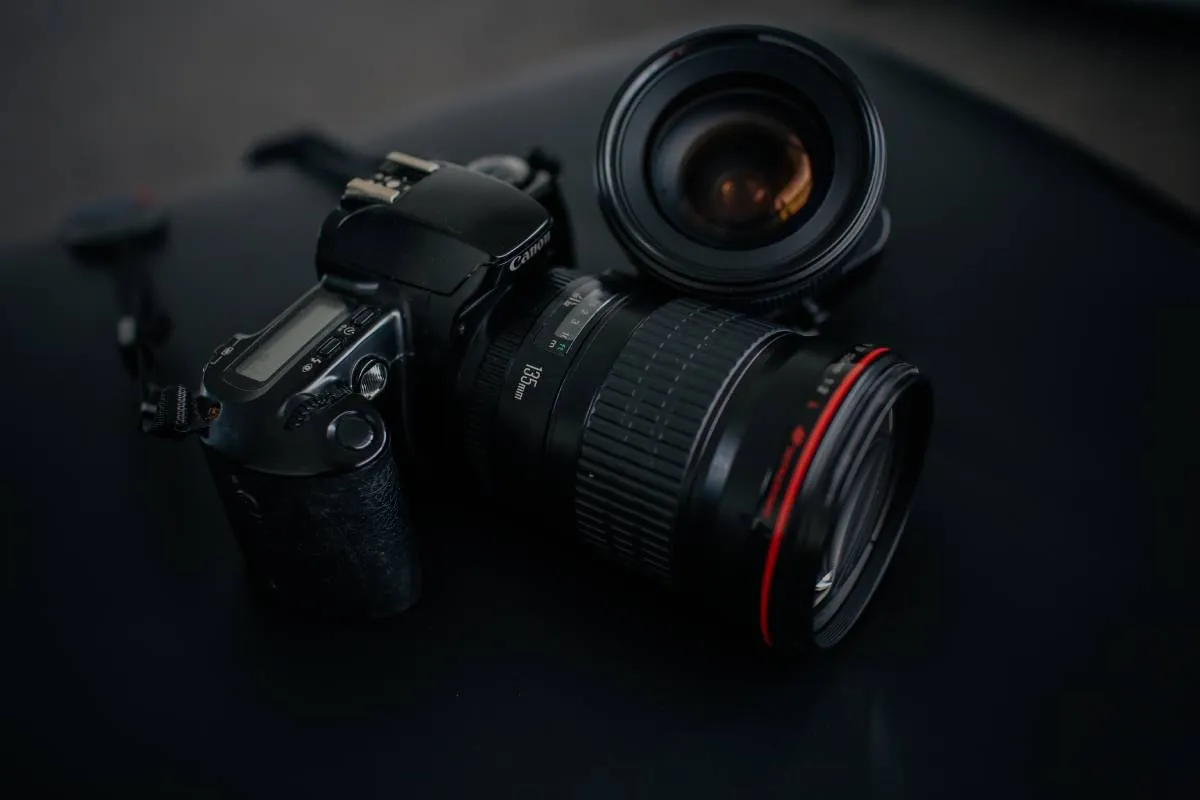
Yes, you can bring a camera on a plane. DSLRs, mirrorless cameras, point-and-shoots, instant cameras, and film cameras are all allowed in carry-on and checked baggage. Carry-on is the safer choice for anything more expensive than a phone, since checked bags get rough handling and theft from checked luggage isn’t rare.
Here’s the practical breakdown of what to bring, how to pack it, and the gotchas around lithium batteries, film, and security screening.
Quick Rules for Cameras on Planes
- Camera body and lenses: Allowed in carry-on and checked. Pack expensive gear in carry-on.
- Lithium-ion camera batteries: Carry-on only (TSA requirement). Spare batteries cannot go in checked baggage.
- Film: Carry-on, request hand inspection. Modern CT scanners can fog or destroy unexposed film, especially anything ISO 800+.
- Tripods and selfie sticks: Both carry-on and checked, depending on length. Compact travel tripods fit in carry-on; full-size tripods usually need checked.
- Drones: Carry-on, with battery rules. Many countries require declarations.
Carry-On vs Checked: Where Should the Camera Go?
Carry-on, almost always. Three reasons:
- Damage. Checked bags get tossed, dropped, and stacked under heavier luggage. A pro DSLR or mirrorless body with a lens attached can crack from a 4-foot drop, which is well within normal handling.
- Theft. Cameras are one of the most-targeted items by airport baggage handlers. Airline lost luggage compensation caps at $3,800 per passenger, which won’t cover a full kit.
- Battery rules. Spare lithium-ion batteries (the kind every modern camera uses) must be in carry-on per TSA. They’re banned from checked entirely.
The only time checked baggage makes sense is for very large lenses (400mm+ telephotos, cinema lenses) that won’t fit in a carry-on. In that case, use a hard-shell case and remove the lens from the body to distribute the impact load.
Lithium-Ion Battery Rules
Camera batteries are the most regulated part of your kit. The rules:
- Battery installed in the camera: Allowed in both carry-on and checked.
- Spare batteries: Carry-on only. Banned from checked.
- Under 100 Wh per battery: No quantity limit. Most consumer DSLR/mirrorless batteries are around 10-20 Wh, well under the limit.
- 100-160 Wh: Allowed with airline approval. Limited to 2 spares per passenger. Cinema and pro video batteries fall in this range.
- Over 160 Wh: Banned on commercial flights.
Tape the battery contacts or store spares in their original packaging or a battery case. Loose batteries with exposed terminals can short-circuit against keys or coins, which has caused fires in carry-on bags.
Packing the Camera
The right setup depends on whether you’re bringing one camera or a full kit:
- One camera, one lens: A small padded camera bag inside your regular carry-on works fine. Most airlines treat a camera bag as part of your one carry-on, but some allow it as a free additional personal item.
- Multiple lenses, multiple bodies: Use a dedicated camera backpack (Peak Design Travel, Lowepro Pro Trekker, Wandrd Prvke). These have padded dividers, fit in overhead bins, and look like normal backpacks at security.
- Hard-shell case: Pelican-style cases are great for protection but obvious targets. Use them for checked baggage on cinema gear, not for everyday carry-on travel.
Label all gear with your contact info inside the bag. Lens hoods, battery doors, and SD card covers go missing, and a recovered piece is more likely to come back to you with a name on it.
Travel Insurance for Camera Gear
If your kit is worth more than $2,000, get a separate camera insurance policy or photographer’s rider on your home insurance. Standard travel insurance usually has per-item caps around $500 that won’t cover a single pro lens.
Look for policies that cover loss, accidental damage, theft, and rental replacement during repairs. Athletes’ Insurance, State Farm Personal Articles, and Hill & Usher are common picks for serious photographers.
Photography Etiquette on Planes
Most airlines allow personal photography of yourself, your seat, and views from the window. What’s not okay:
- Photographing other passengers without permission. Even in a public space, this is an etiquette issue and some airlines treat it as a complaint trigger.
- Photographing crew members. Several airlines explicitly prohibit photographing flight attendants, especially during interactions.
- Photographing the cockpit. Off-limits during flight.
- Live-streaming during takeoff or landing. Devices need to be in airplane mode and stowed during these phases.
Stick to your seat, your view, and your travel companions, and you’ll never have an issue.
Camera Through Airport Security
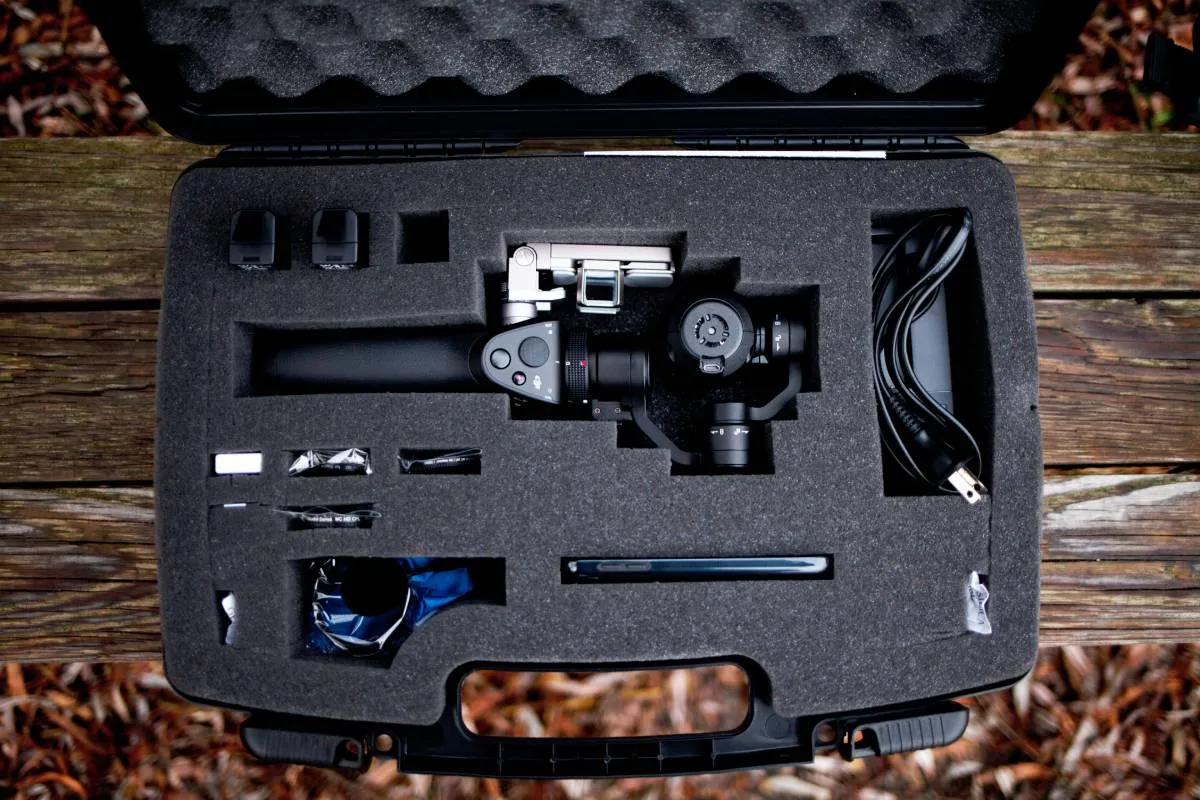
Cameras go through the X-ray scanner like everything else. The X-ray itself doesn’t damage digital cameras or SD/CF cards.
Three things to know:
- You may need to take the camera out of the bag at older airports without CT scanners. The TSA agent will tell you if it’s needed. TSA PreCheck members usually leave everything in.
- Tripods, lenses, and accessories can stay in the bag. They don’t trigger separate screening unless something looks unusual on the scanner.
- Cooperate with secondary screening if asked. Sometimes pro gear with internal motors or unusual electronics gets a swab test for residue. It’s a 30-second check and doesn’t damage anything.
Film Cameras: Special Rules
If you’re shooting film, the modern CT scanners at major airports can damage unexposed film. The older X-ray machines used for carry-on are mostly safe for film up to ISO 400, but the new CT scanners (deployed at most US airports since 2019) can fog film at any speed.
Standard practice for film shooters:
- Request hand inspection at the security line. TSA is required to honor this for film.
- Pack film in a clear bag separate from your camera, ready to hand over. Don’t put it in checked baggage; checked X-ray is much stronger and will definitely fog film.
- Skip the lead-lined “film safe” bags. They make the agent suspicious and trigger a manual inspection anyway.
Traveling Internationally With a Camera
A few things to research before you fly:
- Drone laws. Many countries (Morocco, Algeria, Egypt, Thailand) require pre-registration or outright ban consumer drones. Confiscation at customs is common.
- Pro gear declarations. If you’re traveling with $5,000+ worth of camera gear for work, some countries (India, Brazil) require ATA Carnet documentation for temporary import. Skipping this can result in customs duty.
- Photography restrictions. Some sites and countries restrict tripods (most museums), professional cameras (some tourist sites), or photography of military/government buildings entirely.
For a hobbyist with a single mirrorless camera, none of this applies. For pros and serious enthusiasts traveling with multi-thousand-dollar kits, research the destination first.
FAQs About Bringing a Camera on a Plane
Can I bring camera batteries on a plane?
Yes, in carry-on only. Spare lithium-ion batteries are banned from checked baggage. Tape the contacts or use a battery case to prevent short-circuiting.
What about tripods and selfie sticks?
Compact travel tripods (under 22 inches collapsed) fit in carry-on. Full-size tripods usually go in checked. Selfie sticks are allowed in carry-on, though some airlines have restrictions on the extended length.
Should I pack lenses separately from the camera body?
For carry-on, leave the most-used lens attached to the body and pack additional lenses in padded dividers. For checked baggage (avoid if possible), always remove lenses from bodies, cap both ends, and pack each lens in its own padded slot.
Is there a limit on how many cameras I can bring?
No specific TSA limit, but bringing 5+ cameras can attract questions about commercial intent at customs in some countries. For personal travel, 1-3 cameras is normal and never an issue.
Can I bring film for my camera on a plane?
Yes, in carry-on. Always request hand inspection rather than running it through the X-ray, especially CT scanners. Don’t pack film in checked baggage: the X-ray strength used for checked is high enough to fog film at any ISO.
What if my camera gets damaged at security?
TSA explicitly disclaims responsibility for damage caused during screening. You can file a claim with TSA, but payouts are rare unless there’s clear evidence of mishandling. Travel insurance covers this gap better than relying on TSA claims.
Are drones allowed?
Yes, in carry-on. Drone batteries follow the same lithium-ion rules as camera batteries. Some airlines (Cathay Pacific, Singapore Airlines) require advance approval for drones over a certain weight. Many destination countries restrict or ban consumer drones, so research the rules before flying.
Can I use a camera bag as a personal item?
Most US airlines allow it if it fits under the seat in front of you. Some European budget carriers (Ryanair, Wizz Air) count any extra bag toward your hand baggage allowance, even camera bags. Check your specific airline’s personal item dimensions before flying.
What if my camera is lost or stolen?
File a report with the airline immediately and get a written claim number. Report to local police if it was stolen rather than lost. Submit to your travel or photography insurance with the airline’s report and any receipts. Without insurance, airline compensation alone won’t come close to replacement value for serious gear.
Bottom Line
Cameras travel well. Pack the body and lenses in carry-on, keep spare batteries in carry-on with contacts taped, request hand inspection for film, and insure anything you can’t afford to replace. Most camera-related airport issues come from skipping one of these basics.
You should also check out: Can I bring umbrellas on a plane? and Can I bring tripods on planes?
Sources
- TSA Travel Information
- TSA: What Can I Bring? – Cameras
- TSA Claim Management Branch
- FAA: Lithium Battery Rules
Author
Can I bring something else on a plane? Search TSA rules ›