


Reader-supported. We may earn a commission on purchases through our links. Disclosure ›
Yes, you can bring food on a plane. TSA’s rule is one sentence: solid food can travel in either your carry-on or checked bag, and liquid or gel food larger than 3.4 ounces cannot go in a carry-on. Everything on this page follows from that line. A sandwich, a bag of jerky, a wheel of hard cheese and a whole pie all pass the checkpoint. Yogurt, hummus, soup and peanut butter are liquids or gels for screening purposes, so a full-size container goes in the checked bag. Drinks of any kind fail the 3.4-ounce test, which is why you buy them past security.
This page covers the food version of the liquids rule and 13 kinds of food, drink and kitchen gear people ask about, from jerky and coffee pods to coffee makers, microwaves, blenders, beer, hard liquor, coolers and protein powder. Each section gives the carry-on answer, the checked-bag answer, the thing that actually gets bags pulled, and the TSA or FAA page it comes from. Items with their own full guide on this site (chocolate, snacks, foil-wrapped food, dried mushrooms, mini bottles) are linked near the end.
On this page
- The liquids rule, applied to food
- Quick answers: all 13 items
- Solid food
- Yogurt, spreads, cheese, soup and canned food
- Beef jerky and packaged snacks
- Fresh fruit and vegetables
- Coffee, K-cups and tea
- Coffee makers and kettles
- Microwaves
- Blenders and food processors
- Unopened drinks and bottled water
- Carbonated drinks
- Alcohol: the limits that matter
- Beer and wine in a checked bag
- Coolers, ice packs and dry ice
- Protein powder, creatine and supplements
- Baby food, formula and breast milk
- Items with their own guide
- Frequently asked questions
The liquids rule, applied to food
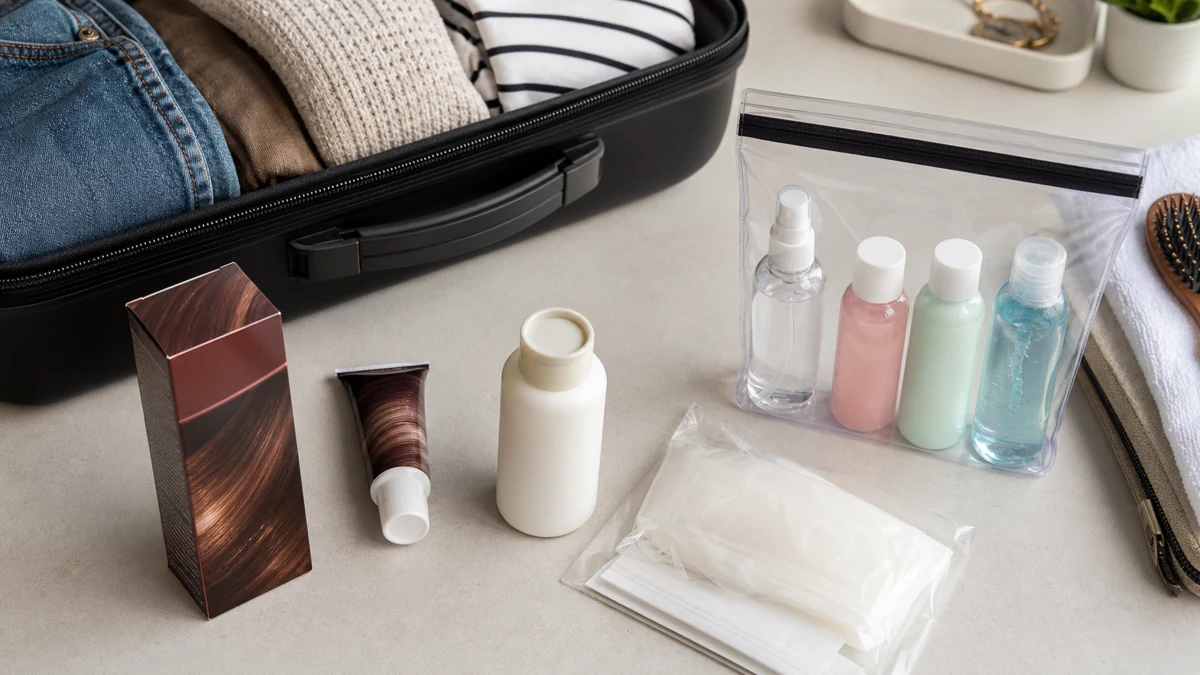
TSA’s carry-on rule for liquids, aerosols, gels, creams and pastes caps each container at 3.4 ounces (100 milliliters), all inside one quart-size bag. Food is not exempt. TSA’s own food pages repeat the same sentence: solid food items can be transported in either your carry-on or checked bags, and liquid or gel food items larger than 3.4 ounces are not allowed in carry-on bags and should be placed in checked bags. The test TSA officers apply is simple. If you can spread it, pour it, spray it or scoop it, it is a liquid or gel. If you have to bite it, it is solid.
- Liquids and gels for screening purposes: yogurt, hummus, creamy cheese, peanut butter and other spreads, dips, salsa and sauces, salad dressing, oils, honey, jam, maple syrup, soup, gravy, cream, liquid chocolate, ice cream, juice, soda, coffee and any drink.
- Solids: sandwiches, bread, pizza, cooked meat, hard cheese, jerky, nuts, dried fruit, crackers, cookies, cereal, candy, solid chocolate, pies and cakes, dry spices, coffee beans and tea bags.
- The two exemptions TSA lists for the 3.4-ounce rule are medications and infant and child nourishment. Both are allowed in reasonable quantities and must be declared at the checkpoint.
- Checked bags have no 3.4-ounce rule. A jar of peanut butter, a bottle of olive oil or a case of soda can all go in checked luggage.
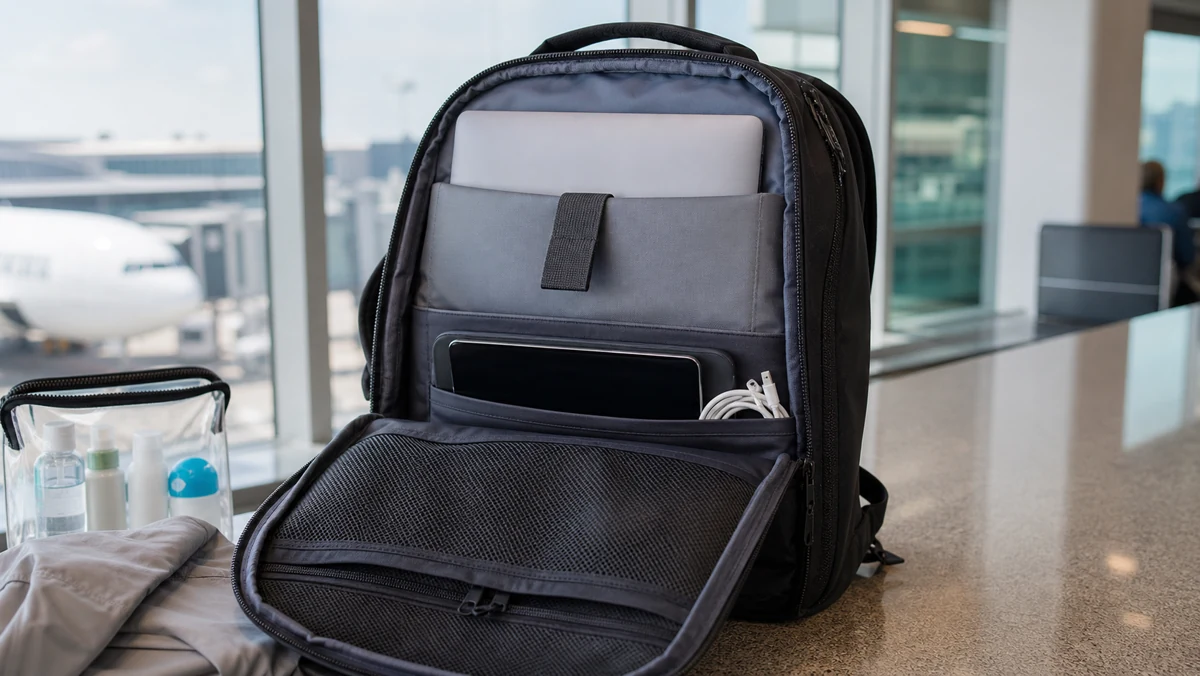
- Clutter gets bags searched. TSA’s food pages all carry the same warning: officers may ask you to take food and powders out of a carry-on because they obstruct the X-ray image. Pack food on top, in one pouch, so it comes out in one move.
Every TSA item page ends with the same sentence: the final decision rests with the TSA officer at the checkpoint. The answers below are the published rules and they hold for almost everyone, but a dense block of food on the X-ray can always earn a bag check.
Quick answers: all 13 items
| Item | Carry-on | Checked bag | The catch |
|---|---|---|---|
| Solid food | Yes | Yes | May be pulled out of the bag for X-ray. |
| Yogurt, hummus, spreads, soup | Yes, 3.4 oz | Yes | Counts as a liquid or gel in carry-on. |
| Canned food | Yes, with a catch | Yes | TSA suggests checking it; liquid inside the can counts. |
| Beef jerky and snacks | Yes | Yes | None. |
| Fresh fruit and vegetables | Yes | Yes | Not from Hawaii, Puerto Rico or the USVI to the mainland. |
| Coffee beans, K-cups, tea | Yes | Yes | Liquid coffee is 3.4 oz in carry-on. |
| Coffee maker or kettle | Yes | Yes | Must fit the bin or under the seat. Empty it. |
| Microwave | Check with airline | Yes | TSA allows it; the airline decides if it boards. |
| Blender or food processor | Yes, blade removed | Yes | The blade goes in checked, wrapped. |
| Unopened drinks, bottled water | No | Yes | Only 3.4 oz passes. Buy drinks past security. |
| Carbonated drinks | No | Yes | Same liquid rule. Cans ride fine in the hold. |
| Alcohol, 24% to 70% | Yes, 3.4 oz minis | Yes, 5 liters | Unopened retail packaging. No drinking your own on board. |
| Alcohol over 70% (140 proof) | No | No | Banned both ways by TSA and FAA. |
| Beer and wine | Yes, 3.4 oz | Yes, no limit | 24% or less has no checked limit. Pad the bottles. |
| Cooler, empty | Yes | Yes | Airline size limit for carry-on. |
| Ice and gel packs | Yes, frozen solid | Yes | Slush fails the liquids rule. |
| Dry ice | Check with airline | Check with airline | 5.5 lb (2.5 kg), vented package, marked. |
| Protein powder, creatine | Yes | Yes | Powders over 12 oz go in a separate bin. |
| Baby food, formula, breast milk | Yes, any amount | Yes | Declare it; screened separately. |
Before your next flight: the free carry-on packing checklist
The TSA liquids rule, the battery rule and the five things people forget, on one printable page. Sent to your inbox.
Solid food
Carry-on: yes. Checked: yes. TSA keeps separate pages for sandwiches, bread, pizza, cooked meat, hard cheese, nuts, dried fruit, crackers, cookies, cereal, candy, pies and cakes, tamales, snack bars and fresh eggs, and every one of them says the same thing: allowed in both bags, no size limit. You can carry a whole Thanksgiving pie through security. The one instruction that comes with all of them is about clutter, since a bag full of food blocks the X-ray image, and the officer may ask you to take it out and run it through on its own.
- Home-cooked food is fine. Leftovers in a container are solid food; a container of soup or stew is not.
- Cooked meat and seafood with no liquid is a solid, and TSA’s page adds only that a large container has to fit your airline’s bin or under-seat space.
- Self-heating meals (MREs) are allowed by TSA but some airlines refuse them in carry-on because of the heating element. Ask the airline first.
- International arrivals are a customs matter, not a TSA one. Fresh fruit, vegetables and meat from abroad are restricted by U.S. Customs and Border Protection and have to be declared when you land.
How to pack it: one clear pouch, on top of everything else, so it comes out in a single motion at the checkpoint and goes back in the same way. Our guide to foil-wrapped food covers why foil makes the X-ray image worse and what to wrap food in instead.
Yogurt, spreads, cheese, soup and canned food
Carry-on: yes, 3.4 ounces or less. Checked: yes. This is the group that surprises people. TSA’s pages for yogurt, peanut butter, creamy dips and spreads, hummus, soups, creamy cheese, honey, jam, maple syrup, salsa, salad dressing and oils all carry the same verdict: allowed in carry-on only at 3.4 ounces or less, allowed in checked bags without limit. A single-serve yogurt cup is usually 5.3 ounces, so it fails. A jar of peanut butter fails. A block of cheddar passes because it is solid; a tub of cream cheese does not.
- Cheese is two pages at TSA. Solid cheese is allowed in any amount in both bags. Creamy cheese (brie, cream cheese, spreadable goat cheese) is a liquid in carry-on.
- Canned food is allowed but TSA’s page is the most cautious on the site: because of how cans look on the X-ray and the liquids inside them, they could require additional screening that might result in the item not being allowed through. TSA suggests packing cans in checked bags, shipping them, or leaving them home. A can of tuna with a little oil is a gamble; a can of soup is a liquid.
- Squeeze packs and pouches of nut butter, applesauce or fruit puree under 3.4 ounces are the easy way to carry these foods through, and they fit in the quart bag.
- Ice cream is a liquid for TSA unless it is frozen solid, and it rarely stays that way through a security line.
Beef jerky and packaged snacks
Carry-on: yes. Checked: yes. TSA has no page for jerky specifically, and it does not need one: jerky is a solid food and falls under the snacks and solid-foods pages, both of which allow it in either bag with no limit. The same goes for trail mix, granola bars, chips, pretzels, nuts, dried fruit, crackers and cookies. Nothing about jerky’s smell or shape triggers extra screening; what does is the sheer density of a carry-on stuffed with snack bags, which is the clutter warning again.
Two practical notes. Jerky sold moist in a pouch is generally screened as a solid; a pouch with sauce pooled in the bottom is the officer’s call, so drain it first. And for international trips, meat products are among the most commonly confiscated items at customs on arrival, so a bag of jerky bought in the US is fine to fly with domestically but may not be allowed into the country you land in. Our guide to airplane-friendly snacks lists what travels and eats well in a cabin.

Fresh fruit and vegetables
Carry-on: yes. Checked: yes. TSA allows fresh fruit and vegetables in both bags within the continental United States, as solid food. The one exception is written on TSA’s own page: passengers flying from Hawaii, Puerto Rico or the U.S. Virgin Islands to the U.S. mainland cannot take most fresh fruits and vegetables, because of the risk of spreading invasive plant pests. That rule is enforced by agricultural inspectors at those airports, and it applies in one direction only; carrying an apple from the mainland to Hawaii is allowed.
Cut fruit in a container with juice at the bottom is a judgment call for the officer, since the juice is a liquid; drained and dry it is solid. Whole fruit is never a problem. Avocados, tomatoes and other soft produce are solids for TSA even though they turn into a gel the moment you mash them.
Coffee, K-cups and tea
Carry-on: yes. Checked: yes. Coffee beans and ground coffee are allowed in both bags with no limit, and so are tea bags and loose tea. TSA has no page for K-cups or coffee pods, but a pod is ground coffee sealed in a plastic cup, so it travels under the coffee page: allowed in either bag, no limit. Liquid coffee is a different matter: 3.4 ounces or less in carry-on, which rules out the cup you bought before security. An empty thermos passes, and TSA’s page says you may fill it after the checkpoint.
- Ground coffee and powders. TSA’s coffee page does not mention the 12-ounce powder rule, but ground coffee looks like any other powder on the X-ray, and a large bag may be pulled for a separate bin like other powders are. A pound bag of beans draws less attention than a pound of fine grounds.
- Pods in bulk. A box of 24 K-cups is bulky but allowed; a carry-on full of them is clutter and may be searched.
- Coffee bought abroad is usually allowed into the US by customs when it is roasted; green (unroasted) beans can be restricted.
Coffee makers and kettles
Carry-on: yes. Checked: yes. TSA allows electric coffee makers, espresso machines and tea kettles in both bags. The only instruction on the kettle page is to make sure the item fits in the overhead bin or under the seat if you carry it on, which is the airline’s size limit, not TSA’s. A full-size drip machine will not fit a carry-on sizer; a travel pour-over kit, an AeroPress or a compact single-serve brewer will.
- Empty and dry it. A reservoir with water in it is a liquid container at the checkpoint and a leak in a checked bag.
- Glass carafes belong in the carry-on, wrapped, or in the middle of a checked bag surrounded by clothes.
- Battery-powered portable espresso makers contain a lithium battery, so they go in carry-on only, like any battery device.
- Voltage. Most US coffee makers are 120 V only. Plugging one into a 230 V outlet abroad with a simple plug adapter burns out the heating element.
Microwaves
Carry-on: check with the airline. Checked: yes. TSA’s page says a microwave is allowed through the checkpoint and tells you to check with your airline for their policy, which is TSA’s way of saying the security question is settled and the size question is not. A microwave is allowed in checked bags without comment. In practice, a compact countertop microwave is right at or over the carry-on size limit of most US airlines and well over the weight most gate agents will let into an overhead bin, so it is checked luggage or shipping for almost everyone.
If you check it, pack it in its original box with the foam if you still have it, or wrap it in clothing inside a hard-sided suitcase. Baggage handlers stack bags, and a microwave door and turntable are the parts that arrive broken. Expect to pay an oversize or overweight fee if the box exceeds 62 linear inches or 50 pounds.
Blenders and food processors
The blade is the issue, not the motor
Carry-on: yes, with the blade removed. Checked: yes. TSA’s blender page is explicit: blenders are allowed in carry-on bags if the blade has been removed. The blade itself is a sharp object, so it goes in a checked bag, sheathed or wrapped so it cannot injure a baggage handler. TSA has no page for food processors, but a food processor is a blender with a different bowl, and the same logic applies: motor base and bowl in either bag, blade assembly in checked only. Stand mixers and hand mixers have no blade and are allowed in carry-on subject to the airline’s size and weight limits.
- Personal blenders with a blade built into the bottom of the cup cannot have the blade removed, so the cup goes in checked luggage and the motor base can ride in the carry-on.
- Portable rechargeable blenders have a lithium battery and a fixed blade: carry-on for the battery rule and checked for the blade rule cannot both be satisfied, so pack the whole unit in the carry-on and expect the officer to make the call on the blade.
- Immersion blenders have an exposed blade and go in checked bags.
Unopened drinks and bottled water
Carry-on: no, above 3.4 ounces. Checked: yes. Sealed does not matter. TSA’s pages for bottled water, juice, soda and liquid coffee all say the same thing: 3.4 ounces or less in carry-on, any amount in checked bags. An unopened 16-ounce bottle of water is a 16-ounce container of liquid and will be taken at the checkpoint, factory seal or not. The exceptions are the medically necessary ones: water for babies, juice for babies, formula and breast milk are allowed in reasonable quantities and screened separately.
- Empty bottles pass. TSA allows empty water bottles, empty beverage containers and empty thermoses in both bags, and you fill them at a fountain past security.
- Drinks bought past security can go on the plane in any size; the liquids rule is a checkpoint rule, not a cabin rule.
- Checked bags: any drink is allowed. Pressure and temperature changes in the hold push liquid past weak seals, so double-bag bottles and put them in the middle of the bag.
- Frozen drinks pass only if they are frozen solid when screened; a bottle of ice with liquid at the bottom is a liquid.
Carbonated drinks
Carry-on: no, above 3.4 ounces. Checked: yes. Soda, sparkling water, energy drinks and beer are liquids first and carbonated second, so the checkpoint rule is the same 3.4 ounces, and TSA’s soda page allows them in checked bags without limit. The question people actually ask is whether a can or bottle will burst in the hold. The baggage hold of a commercial jet is pressurized along with the cabin, so a sealed can is under roughly the same conditions in the hold as in an overhead bin, and cans are built to hold their own carbonation pressure with margin. Cold cans survive best; a can that has been in a hot car and then thrown onto a cold ramp is the one that fizzes.
What does go wrong is impact and leaking. Bags get dropped and stacked, a dented can or a loosened cap leaks sticky liquid through everything, and glass bottles break. Pack cans upright in the center of the bag, wrapped in clothes, inside a sealed plastic bag. A six-pack is fine; a case is heavy enough to push the bag past the weight limit. Opening a can at altitude after it has been shaken by handling will spray, so let it sit before opening.
Alcohol: the limits that matter
Carry-on: mini bottles, 3.4 ounces or less, in the quart bag. Checked: yes, with FAA limits by strength. Alcohol is the one food item with a hazmat rule behind it, because strong spirits are flammable. The rules sort by alcohol content:
- 24% ABV or less (beer, wine, cider, most liqueurs): not subject to limitations in checked bags, per TSA. Carry-on follows the 3.4-ounce rule.
- More than 24% up to 70% ABV (up to 140 proof, which is nearly all spirits): limited in checked bags to 5 liters (1.3 gallons) per passenger, and it must be in unopened retail packaging. The FAA states the limit as 5 liters per package and 5 liters total per passenger.
- Over 70% ABV (over 140 proof, including grain alcohol and 151 proof rum): prohibited in both carry-on and checked bags by TSA and the FAA. There is no case or quantity that makes it legal.
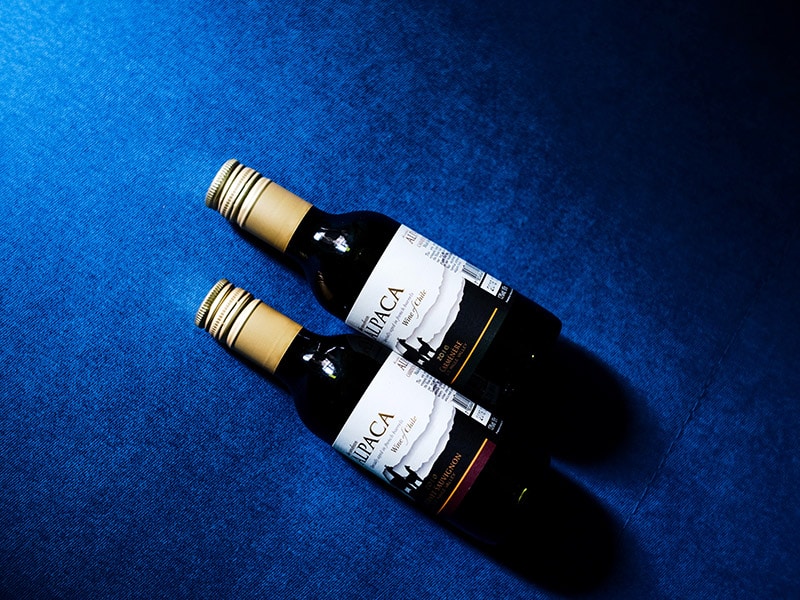
- Mini bottles in carry-on must, in TSA’s words, comfortably fit into a single quart-sized bag alongside your other liquids.
You cannot drink your own alcohol on the plane
Bringing minis through security is allowed; drinking them on board is not. TSA’s alcohol page and the FAA’s PackSafe page both state that FAA regulations prohibit passengers from drinking alcohol on board unless it is served by the airline, and the regulation (14 CFR 121.575) also bars crews from serving anyone who appears intoxicated. Airlines enforce this and can hand a passenger off to police at the gate. The minis are for the hotel.
Duty-free alcohol is the one way a bottle over 3.4 ounces gets into a carry-on, and only on the way into the US. TSA’s liquids rule allows duty-free liquids over 3.4 ounces in a carry-on if they were bought internationally, you are connecting to a US flight, the bottle is in the retailer’s sealed tamper-evident bag with no sign of tampering, and the receipt shows a purchase within 48 hours. Anything that alarms or cannot be screened is not allowed through, and TSA itself recommends packing bottles over 3.4 ounces in checked baggage even when they are in the sealed bag. Buying duty-free at a US airport on the way out is simpler: you are already past security.
Beer and wine in a checked bag
Carry-on: 3.4 ounces, which rules it out. Checked: yes, no limit. TSA has no beer page, but beer is under 24% ABV, and TSA’s alcohol page says drinks at 24% or less are not subject to limitations in checked bags. Wine has its own TSA page with the same verdict. So the limit on beer and wine in a suitcase is the airline’s weight allowance, not a liquor rule: a case of beer weighs about 20 pounds and twelve bottles of wine about 40, which is most of a 50-pound checked allowance before you pack a shirt.
- Glass breaks. Bottles go in the center of the bag, each one wrapped (a sock, bubble wrap, or a purpose-made wine sleeve), inside a sealed plastic bag so a break does not ruin the clothes.
- Cans travel better than bottles and weigh less. Craft beer in cans is the easy answer.
- Homebrew and growlers are allowed by the same rule, but an unsealed growler cap leaks; a screw-cap bottle with tape over the cap is safer.
- Coming into the US, customs allows one liter duty-free per adult and taxes the rest; the TSA rule is about safety, the customs rule is about money.
Coolers, ice packs and dry ice
Empty cooler: yes in both bags. Ice and gel packs: yes if frozen solid. Dry ice: check with the airline. TSA’s cooler page is two words long: allowed in carry-on and checked, and it makes no distinction between hard-sided and soft-sided. What goes inside is governed by the frozen-food and fresh-meat pages: meat, seafood and vegetables are allowed in either bag, and if they are packed with ice or ice packs, the ice must be completely frozen when it goes through screening. Partially melted ice with liquid at the bottom of the container will not be permitted.
- Carry-on coolers must fit the airline’s carry-on size, and a soft cooler packed as a personal item is a common way to bring a day’s food on board.
- Gel ice packs and freezer packs follow the frozen-solid rule. TSA’s gel-pack page adds that medically necessary gel packs in reasonable quantities are allowed even when slushy, including packs used to cool breast milk or formula.
- Dry ice is a hazmat item. TSA says check with the airline for both bags; the FAA allows up to 2.5 kg (5.5 pounds) per passenger with airline approval, in a package that is not airtight (so the gas can vent), and a checked package has to be marked “Dry ice” or “Carbon dioxide, solid” with the net weight. One older TSA page still says five pounds; the FAA figure is the one that applies.
- Checked coolers get taped shut and treated as a bag. A hard cooler counts toward the bag allowance and the 50-pound limit, and most airlines will not accept a cooler that leaks.
Protein powder, creatine and supplements
Carry-on: yes. Checked: yes. Protein powder, energy powders and supplements are allowed in both bags with no limit. The rule that matters is TSA’s powder rule, printed on the protein powder page: powder-like substances greater than 12 ounces (350 ml) must be placed in a separate bin for X-ray screening, may require additional screening, and the container may need to be opened. TSA encourages travelers to put non-essential powders over 12 ounces in checked bags. Creatine has no TSA page of its own, but it is a powder and a supplement, and both of those pages say yes.
- A tub of protein powder is almost always over 12 ounces. Carry it on if you must, in the original labeled container, and expect it to go in its own bin and possibly be opened.
- Portion it. Single-serve sachets or a week’s worth in a small labeled container stays under 12 ounces and never comes out of the bag.
- Labels matter. An unlabeled bag of white powder is the one item on this page that reliably gets a traveler pulled aside. Keep the retail container or a clearly printed label.
- Pre-mixed shakes are liquids: 3.4 ounces in carry-on.
Baby food, formula and breast milk
The exemption, in TSA’s words
Carry-on: yes, in quantities over 3.4 ounces. Checked: yes. TSA treats formula, breast milk, toddler drinks and baby or toddler food, including puree pouches, as medically necessary liquids. They are allowed in carry-on bags in quantities greater than 3.4 ounces, they do not need to fit in the quart bag, and your child does not need to be present or traveling with you to carry breast milk, formula or the related supplies. The cooling accessories (ice packs, freezer packs, gel packs) are allowed too, whether or not breast milk is present, and they may be partially frozen or slushy.
- Tell the officer at the start of screening that you have formula, breast milk or baby food over 3.4 ounces, and take it out of the bag to be screened separately.
- Clear bottles screen faster. TSA recommends clear, translucent bottles rather than bags or pouches, which the bottle scanners cannot read; a pouch may have to be opened for a trace test. Screening never involves putting anything into the liquid.
- You can decline the X-ray for these liquids. TSA will clear them another way, and you will go through additional screening yourself.
- Baby food in jars is allowed in reasonable quantities and screened separately, as is water for babies.
Items with their own guide
- Chocolate: solid chocolate has no limit; liquid chocolate and spreads follow the 3.4-ounce rule.
- Airplane-friendly snacks: what to pack that will not smell, crumble or melt in a cabin.
- Foil-wrapped food: allowed, but foil blocks the X-ray and gets the bag searched.
- Dried mushrooms: a solid food, with the customs questions that come with produce.
- Nips and mini liquor bottles: how many fit the quart bag and why you cannot drink them on board.
Frequently asked questions
Can I bring food through airport security?
Yes. Solid food is allowed in carry-on and checked bags with no size limit. Liquid or gel foods such as yogurt, hummus, peanut butter and soup are limited to 3.4 ounces per container in carry-on and go in the quart bag; larger containers go in checked luggage.
Can I bring an unopened bottle of water through TSA?
No. Sealed or not, any drink over 3.4 ounces is taken at the checkpoint. Bring an empty bottle and fill it past security, or buy a drink at the gate. Water for babies and medically necessary liquids are the exceptions.
Is beef jerky allowed on a plane?
Yes. Jerky is a solid food and is allowed in both carry-on and checked bags with no limit. For international trips, meat products may be confiscated by customs on arrival.
Can I take a coffee maker in my carry-on?
Yes. TSA allows coffee makers, espresso machines and kettles in both bags. It has to fit your airline’s carry-on size, and the water reservoir must be empty.
Can I bring a microwave on a plane?
TSA allows a microwave through the checkpoint and in checked bags, but tells you to check with your airline for carry-on, because most microwaves exceed carry-on size and weight limits. Checked luggage or shipping is the realistic option.
Can I bring a blender or food processor in a carry-on?
Yes, if the blade has been removed. The blade is a sharp object and must travel in a checked bag, wrapped or sheathed. The motor base and bowl can go in either bag.
How much alcohol can I put in a checked bag?
Drinks at 24% ABV or less, including beer and wine, have no TSA limit in checked bags. Spirits over 24% up to 70% ABV are limited to 5 liters per passenger in unopened retail packaging. Anything over 70% ABV (140 proof) is prohibited in both bags.
Can I drink my own mini bottles on the plane?
No. Bringing minis under 3.4 ounces through security is allowed, but FAA regulations prohibit passengers from drinking alcohol on board unless the airline serves it.
Will soda cans explode in checked luggage?
The hold of a commercial jet is pressurized with the cabin, and TSA allows soda in checked bags without limit. The real risks are dents and leaks from rough handling, so pack cans upright in the middle of the bag inside a sealed plastic bag.
Can I bring a cooler with ice on a plane?
Yes. An empty cooler is allowed in both bags. Food packed with ice or ice packs is allowed if the ice is completely frozen at screening; partially melted ice with liquid in the container is not. Dry ice needs airline approval and is capped at 5.5 pounds in a vented, marked package.
Can I bring protein powder or creatine in my carry-on?
Yes. Powders are allowed in both bags. Containers over 12 ounces must go in a separate bin for X-ray and may be opened, and TSA encourages checking non-essential powders over that size. Keep the original label.
Official references: TSA’s liquids, aerosols and gels rule and its What Can I Bring? list (entries for solid foods, snacks, sandwiches, yogurt, peanut butter, creamy dips and spreads, hummus, soups, canned foods, cheese, fresh fruits and vegetables, coffee beans or ground, coffee liquid, tea, coffee and espresso maker, tea kettle, microwave, blender, mixer, bottled water, empty water bottle, juices, soda, alcoholic beverages, alcoholic beverages over 140 proof, wine bottle, cooler, ice, gel ice packs, freezer packs, dry ice, frozen food, fresh meat and seafood, protein or energy powders, supplements, baby food, baby formula, breast milk, water for babies); the FAA PackSafe pages for alcoholic beverages and dry ice; and 14 CFR 121.575 on alcohol on board. All checked on November 8, 2026. TSA has no entry for beef jerky, coffee pods, food processors, beer, creatine or hard-sided versus soft-sided coolers, and the text above says so where it matters.
For toiletries and the liquids rule in full, see Toiletries and Liquids on a Plane. For gadgets and batteries, see Electronics on a Plane. For everything else, What Can You Bring on a Plane? 9 Essential TSA Rules links to the guides for sports gear, tools and unusual items.
Author
Can I bring something else on a plane? Search TSA rules ›