


Reader-supported. We may earn a commission on purchases through our links. Disclosure ›

The right airline is not always the one with the cheapest base fare. A low-cost ticket can become more expensive once you add a carry-on, seat selection, checked bags, and change fees. A nonstop flight on a full-service airline can also be worth more than a cheaper itinerary with long layovers.
This airline guide explains how to compare airlines, baggage rules, carry-on policies, booking sites, fare classes, and budget carriers before you book. Use it to choose the airline that gives you the best total value, not just the lowest price on the search results page.
How to Use This Airline Guide Before Booking
Before you choose an airline, compare the full travel experience instead of only looking at the ticket price. The cheapest fare can still be the wrong choice if it adds stress, fees, or extra travel time.
Focus on these seven factors:
- Total trip cost: Include carry-on fees, checked bags, seat selection, change fees, and airport transportation.
- Route schedule: A nonstop flight at a better time can be worth paying more for.
- Baggage policy: Carry-on and personal item rules vary sharply between airlines.
- Seat and cabin type: Basic economy, main cabin, premium economy, and business class offer very different levels of flexibility.
- Change and cancellation rules: Booking directly with the airline usually gives you cleaner support if plans change.
- Loyalty benefits: Frequent flyer status, credit card perks, free bags, and lounge access can change the value calculation.
- Reliability and support: A cheap fare is less useful if the airline has limited routes or poor backup options after a delay.
1. Compare the Total Cost, Not Just the Base Fare
The most common airline booking mistake is comparing only the fare shown in search results. Budget airlines often show a lower base fare, but the final price can rise quickly once you add the basics.
For example, a budget airline fare may look cheaper at first, but a paid carry-on, seat assignment, and checked bag can erase the savings. A full-service carrier may look more expensive upfront while including more of what you actually need.
When comparing airlines, add up:
- Base fare
- Carry-on fee
- Checked bag fee
- Seat selection fee
- Change or cancellation flexibility
- Boarding priority, if needed
- Airport and route convenience
This airline guide approach helps you compare the real cost of flying, not just the advertised fare.
2. Compare Airline Routes and Connections
A direct flight at the right time can be worth more than a cheaper itinerary with one or two connections. Long layovers, overnight connections, and tight transfer windows can turn a low fare into a stressful travel day.
Before booking, check:
- Total travel time: Look beyond flight time and include layovers.
- Connection airport: Some airports are easier to connect through than others.
- Backup options: Airlines with more daily flights on the route are easier to recover from if something goes wrong.
- Arrival time: A cheaper flight that lands late at night may add hotel, taxi, or childcare complications.
A $50 to $100 fare difference can be worth paying if it saves several hours, avoids a risky connection, or gets you home at a better time.
3. Check Carry-On Rules by Airline
Carry-on rules vary more than most travelers expect. Many major US airlines use a standard carry-on size around 22 x 14 x 9 inches, but some airlines are more generous and budget carriers are often stricter.
Budget airlines may include only a small personal item in the base fare. If you bring a larger carry-on, you may need to pay in advance or face a higher fee at the airport.
Use these guides before packing:
- Carry-On Luggage Size Guide by Airline
- Carry-On Rules for International Flights
- Sun Country Carry-On Size
- What Counts as a Personal Item on a Plane?
- Does a Diaper Bag Count as a Carry-On?
If your bag is close to the limit, measure it with wheels and handles included. Airline sizers usually count the full outside dimensions, not just the suitcase body.
4. Compare Airline Booking Sites Carefully
Where you book your flight affects both the price and the support you get if something goes wrong. Search engines are useful for comparing fares, but booking directly with the airline is usually simpler if you need to change, cancel, or rebook.
Online travel agencies can sometimes show lower fares, but they also add a middleman. That can make refunds, schedule changes, missed connections, and customer support more complicated.
Use these booking resources:
- Best Flight Search Engines
- Best Places to Buy a Plane Ticket
- Booking.com vs Expedia
- Benefits of Online Check-In
For airline passenger rights, refunds, cancellations, and official consumer protection information, the U.S. Department of Transportation aviation consumer protection page is the best official source.
5. Understand Cabin Classes and Fare Types
Fare class matters because it controls what is included in your ticket. Basic economy, main cabin, premium economy, and business class can look similar in search results, but they are not the same experience.
Here is the simple breakdown:
- Basic economy: Cheapest standard fare, but usually more restrictive. Seat selection, changes, boarding group, and carry-on rules may be limited.
- Main cabin/economy: Standard economy ticket with more flexibility than basic economy.
- Premium economy: More space and better service on many long-haul flights, usually at a meaningful price increase.
- Business class: Better seats, food, service, and lounge access, but only worth it when the price or points redemption makes sense.
These guides can help you decide whether the upgrade is worth it:
- Flying Coach: What It Means and What to Expect
- American Airlines Main Cabin vs Basic Economy
- Upgrading to Business Class
6. Know When Budget Airlines Are Worth It
Budget airlines can be a smart choice for short trips, light packers, flexible travelers, and routes where the savings are large enough to justify fewer included perks.
They are usually a weaker fit for families, business travelers, travelers with checked bags, and anyone who needs flexibility. Once you add seat selection, carry-on bags, checked luggage, and change protection, the difference between a budget airline and a full-service airline can shrink quickly.
Budget airlines are most useful when:
- You can pack in a personal item or small carry-on.
- You do not need to choose seats together.
- Your travel dates are firm.
- The route is short and nonstop.
- The final price is still meaningfully lower after fees.
They are riskier when:
- You are traveling with kids and need seats together.
- You need checked bags.
- You cannot afford a major delay.
- The airline has limited backup flights on that route.
- You are connecting to another airline on a separate ticket.
7. Use Airline Comparisons Before You Choose
Head-to-head comparisons are useful when multiple airlines fly the same route. The best airline depends on the exact trip: baggage needs, schedule, airport, fare class, loyalty status, and whether you value flexibility.
Start with these comparison guides:
- Southwest vs American Airlines
- British Airways vs American Airlines
- American Airlines Main Cabin vs Basic Economy
- JSX Airlines Review
A good airline guide should make the tradeoffs clearer. Sometimes the cheaper airline is the right choice. Other times, the better schedule, included bag allowance, or easier rebooking policy is worth more than the fare difference.
In-Flight Rules and TSA Tips
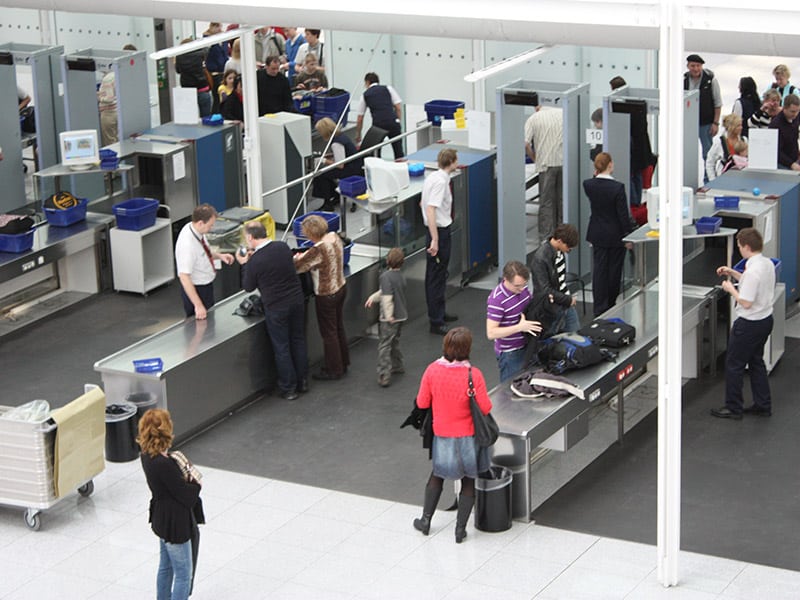
Airline rules and TSA rules are related, but they are not the same. TSA decides what can go through security. Airlines decide what fits in the cabin, what counts as a personal item, and what fees apply.
Before flying, check both:
- Complete TSA Rules
- What Can I Bring on a Plane?
- Can You Take Cigarettes on a Plane?
- Can You Bring a Cart on a Plane?
This matters most when you are traveling with liquids, batteries, baby gear, medical items, sports equipment, or anything that may be allowed by TSA but restricted by the airline.
Related Airline Guides
These are the five most useful next reads if you are comparing airlines, fares, and baggage rules:
- Southwest vs American Airlines: Which Is Better?
- British Airways vs American Airlines: Full Comparison
- Carry-On Luggage Size Guide by Airline
- Carry-On Rules for International Flights
- Best Flight Search Engines Compared
Airline Guide: Frequently Asked Questions
Which US airline has the best carry-on policy?
Southwest is one of the most generous major US airlines for carry-on baggage because it allows a carry-on and personal item with its standard fares and has larger published carry-on dimensions than many competitors. Other major US airlines usually allow one carry-on and one personal item, but budget carriers may charge for larger carry-ons.
Is basic economy ever worth it?
Basic economy can be worth it for short flights when you are traveling light, do not care where you sit, and do not expect to change your plans. It is less useful for families, travelers who need flexibility, or anyone who wants seat selection and earlier boarding.
What is the best site for booking flights?
Flight search engines are best for comparing prices, but booking directly with the airline is usually safest after you find the flight you want. Direct booking makes schedule changes, cancellations, refunds, and rebooking easier because you deal with the airline instead of a third-party middleman.
Are budget airlines worth it?
Budget airlines are worth it when the final price stays low after fees and you can travel with minimal luggage. They are often less attractive when you need carry-ons, checked bags, seat selection, family seating, or flexible changes.
How early should I arrive at the airport?
For most domestic US flights, 90 minutes before departure is a reasonable starting point. For international flights, plan for 2 to 3 hours. Add more time if you are checking bags, flying during peak holidays, using a large airport, or traveling with kids.
What is the difference between a personal item and a carry-on?
A personal item is the smaller bag that fits under the seat in front of you. A carry-on is the larger bag that goes in the overhead bin. Most full-service US airlines allow both, but budget airlines may include only the personal item for free and charge extra for the carry-on.
Should I book through the airline or a third-party site?
Book directly with the airline when the price is close, especially for international trips, tight connections, business travel, or plans that may change. Third-party sites can be useful for finding deals, but they can make support harder if the flight is delayed, canceled, or changed.
Final Thoughts
The best airline is the one that fits your route, budget, baggage needs, schedule, and tolerance for risk. A cheap fare is only a good deal if the final cost and travel experience still make sense.
Use this airline guide before booking, then check the airline’s current baggage policy, fare rules, and route details before you pay. A few minutes of comparison can save money, airport stress, and travel-day surprises.