


Reader-supported. We may earn a commission on purchases through our links. Disclosure ›

Wondering what can I bring on a plane? The short answer is that most everyday items are allowed, but the rules depend on whether you pack them in your carry-on bag or checked luggage.
Liquids, sharp items, lithium batteries, tools, sports equipment, food, toiletries, and baby gear all have different rules. This guide breaks down the major TSA categories in plain English and links to our detailed item-by-item guides so you can pack with fewer surprises.
For the final answer on any specific item, always check the official TSA What Can I Bring tool before flying, since TSA rules and airline policies can change.
What Can I Bring on a Plane? The 3 Rules That Answer Most Questions
Before looking up a specific item, these three TSA rules answer most packing questions travelers have.
1. Liquids, Gels, Creams, and Aerosols Follow the 3-1-1 Rule
For carry-on bags, liquids, gels, creams, pastes, and aerosols usually need to be in containers of 3.4 ounces or 100 ml or less. Those containers must fit inside one quart-size clear bag, with one liquids bag allowed per passenger.
This applies to common items like shampoo, conditioner, lotion, toothpaste, sunscreen, perfume, gel deodorant, liquid makeup, peanut butter, hummus, yogurt, and similar liquid or gel foods.
2. Sharp Items Usually Depend on Size and Blade Type
Small grooming tools such as tweezers, nail clippers, and some small scissors are usually allowed in carry-on bags. Larger sharp items, knives, box cutters, razor blades, and many tools should go in checked baggage instead.
When in doubt, pack sharp items in checked luggage or leave them at home.
3. Spare Lithium Batteries and Power Banks Go in Carry-On
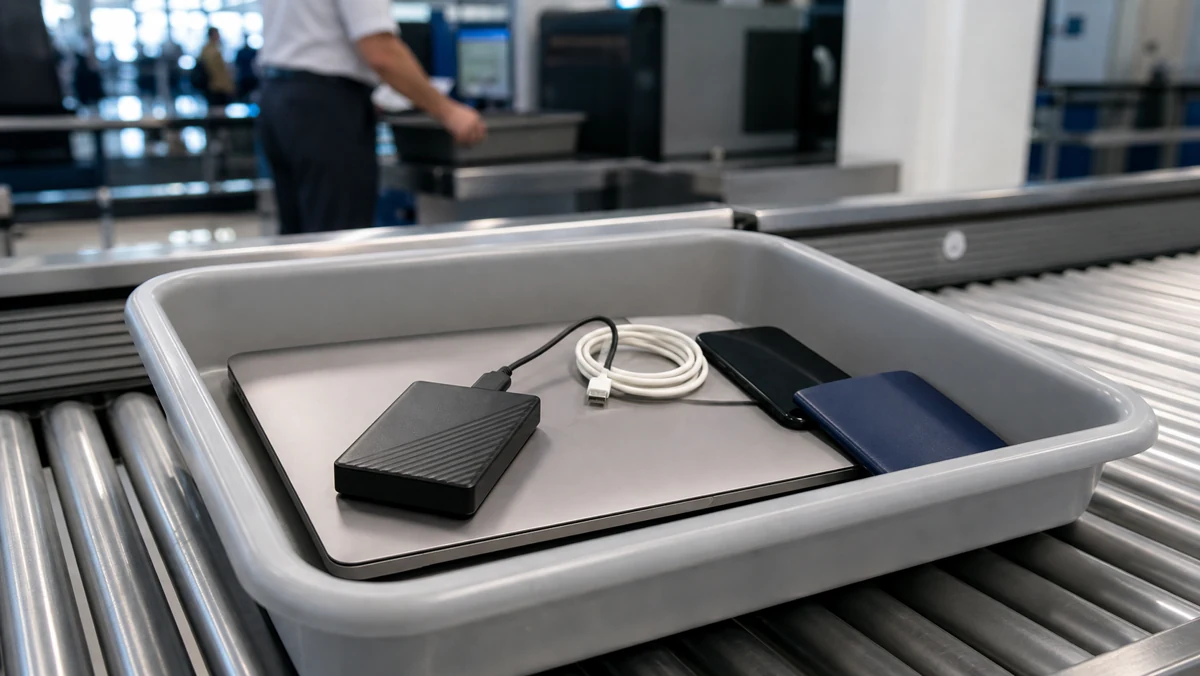
Spare lithium batteries, portable chargers, and power banks should travel in your carry-on bag, not checked luggage. Devices with installed batteries are usually allowed, but larger batteries may have watt-hour limits or require airline approval.
If your carry-on bag gets gate-checked, remove power banks and spare lithium batteries before handing it over.
Food and Drinks You Can Bring on a Plane
Solid food can usually go through TSA security without much trouble. Sandwiches, chips, cookies, fruit, bread, beef jerky, crackers, and similar solid snacks are generally fine in carry-on bags.
The problem is liquid or gel food. Items like yogurt, peanut butter, hummus, jam, soup, salsa, sauces, and creamy dips usually count under the 3-1-1 liquids rule in carry-on bags.
Useful food and drink guides:
- Can You Bring Food on a Plane?
- Can You Bring Yogurt on a Plane?
- Beef Jerky on Planes
- Aluminum Foil Wrapped Food on Planes
- Can You Take Unopened Drinks on a Plane?
- Can You Bring a Water Bottle on a Plane?
Toiletries and Personal Care Items
Most toiletries are allowed on a plane, but the form matters. Solid toiletries are easier to pack than liquids because they usually do not count toward your quart-size liquids bag.
Carry-on toiletries that often need to follow the 3-1-1 rule include:
- Shampoo and conditioner
- Body wash
- Lotion
- Toothpaste
- Sunscreen
- Perfume or cologne
- Liquid foundation
- Gel deodorant
- Hair gel, mousse, and sprays
Solid items like stick deodorant, solid shampoo bars, bar soap, lip balm, and many powder products are usually easier to bring in carry-on luggage.
Helpful toiletries guides:
- The 100ml Liquid Rule Explained
- Can You Bring Tweezers on a Plane?
- Curling Irons on Planes
- Can You Bring Makeup on a Plane?
- Can You Bring a Humidifier on a Plane?
Electronics, Cameras, Chargers, and Batteries
Most everyday electronics are allowed in carry-on bags. Laptops, phones, tablets, cameras, headphones, e-readers, and chargers are common travel items.
The biggest rule to remember is battery placement. Spare lithium batteries and portable chargers should stay in your carry-on bag. They should not be packed in checked luggage.
Useful electronics guides:
- Can You Bring a Camera on a Plane?
- Can You Bring a GoPro on a Plane?
- Can You Bring a Portable Charger on a Plane?
- Chargers on Planes
- Can You Bring a Kindle on a Plane?
- Cables and Wires on Planes
Sports and Outdoor Equipment
Sports and outdoor gear is where airline rules and TSA rules can overlap. TSA may allow an item through screening, but the airline may still charge oversized or special baggage fees.
Small accessories may be allowed in carry-on, but larger equipment usually needs to be checked. Items like surfboards, bicycles, fishing rods, scuba tanks, and camping tools often have special packing rules.
Useful sports and outdoor guides:
- Can You Bring a Surfboard on a Plane?
- Can You Take a Bicycle on a Plane?
- Can You Bring a Bicycle Pump on a Plane?
- Can You Bring Fishing Rods on a Plane?
- Can You Take Fishing Gear on a Plane?
- Can You Bring Scuba Tanks on a Plane?
- Tripods and Monopods on Planes
Tools, Knives, and Sharp Items
Tools and sharp items are allowed only in limited situations. Small tools may be allowed in carry-on if they meet TSA size rules, but larger tools and most knives belong in checked baggage.
In general, avoid packing anything sharp, blade-like, or weapon-like in your carry-on unless you have checked the exact TSA rule first.
Helpful guides:
- Can You Bring Scissors on a Plane?
- Can You Bring a Screwdriver on a Plane?
- Can You Take Knitting Needles on a Plane?
- Can Openers on Planes
- Can You Bring a Lighter on a Plane?
- Can You Bring Knives on a Plane?
Medical Items, Mobility Devices, and Special Situations
Medical items often have more flexible TSA rules than regular toiletries or liquids. Prescription medications, medically necessary liquids, mobility devices, and certain health-related items may be allowed in larger quantities or screened separately.
Keep medications in an easy-to-access part of your carry-on and tell TSA officers if you are traveling with medically necessary liquids or special equipment.
Helpful medical and special situation guides:
- Can You Take a Wheelchair on a Plane?
- Can You Fly With Ashes?
- Can You Bring Magnets on a Plane?
- Can You Bring Glass on a Plane?
Baby and Family Travel Items
Families traveling with babies and young children get some of the most useful TSA exemptions. Formula, breast milk, toddler drinks, baby food, and similar child-related liquids may be allowed in reasonable quantities above the usual 3.4 oz limit.
Airline rules also matter. Many U.S. airlines allow strollers, car seats, and diaper bags with special exceptions, but policies vary by carrier.
Helpful family travel guides:
- Can You Bring a Car Seat on a Plane?
- Does a Diaper Bag Count as a Carry-On?
- Can You Bring a Stroller on a Plane?
- What Counts as a Personal Item on a Plane?
Other Common Items Travelers Ask About
Some items do not fit neatly into one TSA category, but travelers ask about them often. If you are asking what can I bring on a plane because of one unusual item, check the specific guide before packing it.
- Can You Wear a Hat on a Plane?
- Can You Bring a Pillow on a Plane?
- Can You Bring a Cart on a Plane?
- Can You Bring a Folding Chair on a Plane?
- Can You Take a Cooler on a Plane?
- Can You Bring a Microwave on a Plane?
- Can You Take a Deck of Cards on a Plane?
Things You Cannot Bring on a Plane
Some items are banned from carry-on bags, checked bags, or both. This includes items that can start fires, explode, release dangerous gases, or be used as weapons.
Common prohibited or heavily restricted items include:
- Fireworks, flares, and explosives
- Gasoline, lighter fluid, and many flammable liquids
- Self-igniting matches
- Many compressed gases
- Large lithium batteries over allowed limits
- Weapon-like sharp objects in carry-on bags
- Some self-defense sprays and hazardous chemicals
For the official prohibited items list, use TSA’s What Can I Bring database. For our practical breakdown, see our guide to things you cannot take on a plane.
How to Get Through TSA Faster
Knowing what you can bring on a plane helps you avoid delays, but packing smart is only part of the process. A few airport habits can make security much easier.
- Use TSA PreCheck if you fly often. It can reduce screening time and simplify the checkpoint process.
- Keep liquids easy to reach. If you do not have PreCheck, your liquids bag may need to come out.
- Pack electronics accessibly. Laptops and large electronics may need separate screening.
- Empty your water bottle before security. Refill it after the checkpoint.
- Check unusual items before leaving home. This prevents last-minute surrendering at TSA.
Related TSA and Packing Guides
These related guides are good next reads if you are planning what to pack:
- TSA Rules: What You Can and Cannot Bring on a Plane
- Airport Security Rules: What to Remove Before TSA
- The 100ml Liquid Rule for Flights Explained
- Can You Bring Food on a Plane?
- Can You Bring a Portable Charger on a Plane?
What Can I Bring on a Plane? FAQs
What is the most commonly confiscated item at airport security?
Oversized liquid containers are among the most common items travelers lose at airport security. Full water bottles, large toiletry bottles, peanut butter, jam, hummus, yogurt, and similar gel-like foods often cause problems because they exceed the carry-on liquids limit.
Can I bring food through TSA security?
Yes, solid food can usually go through TSA security in your carry-on bag. Liquid and gel foods need to follow the 3-1-1 rule unless they qualify for a specific exemption, such as certain baby or medical items.
Can I bring a water bottle through security?
You can bring an empty water bottle through security. A full water bottle usually needs to be emptied before the checkpoint unless it qualifies for a medical or child-related exception. After security, you can refill it at a water station or buy a drink in the terminal.
Can I bring a portable charger on a plane?
Yes, portable chargers and power banks are generally allowed in carry-on bags, but they should not be packed in checked luggage. Larger power banks may have watt-hour limits, so check the rating before traveling.
Are knives allowed on planes?
Knives should not be packed in carry-on bags. In most cases, knives need to go in checked baggage. If you are unsure whether a sharp item is allowed, pack it in checked luggage or leave it at home.
Can I bring prescription medication on a plane?
Yes, prescription medication is allowed on a plane. Liquid medications may be exempt from the standard liquids rule when medically necessary, but you should declare them separately during screening and keep them easy to access.
Can I bring baby formula, breast milk, or baby food on a plane?
Yes, baby formula, breast milk, toddler drinks, and baby food are generally allowed in reasonable quantities. These items may need separate screening, so keep them accessible when going through security.
What happens if I accidentally bring a prohibited item?
If TSA finds a prohibited item, you may be given options such as returning it to your car, giving it to someone not flying, mailing it, placing it in checked baggage if available, or surrendering it at the checkpoint. Serious prohibited items can lead to additional screening or enforcement.
Final Thoughts
So, what can I bring on a plane? Most normal travel items are allowed, but the details depend on the item, quantity, size, battery type, and whether it is packed in carry-on or checked baggage.
Use this guide as a starting point, then check the official TSA tool for unusual or high-risk items before you leave home. A few minutes of research can save you from delays, extra screening, or losing an item at the checkpoint.