


Reader-supported. We may earn a commission on purchases through our links. Disclosure ›
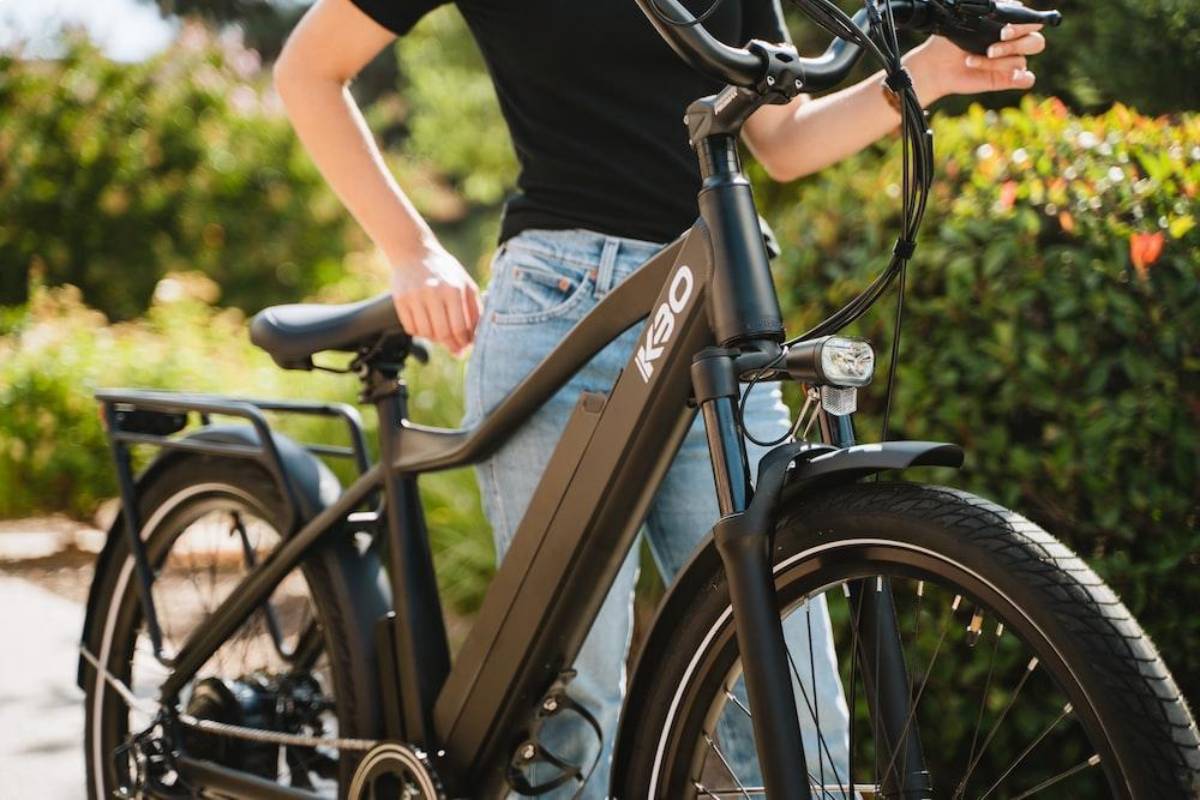
Buying vs renting electric bikes comes down to how often you ride, where you ride, and whether an e-bike solves a regular transportation need or just a short-term travel need. Renting is usually better for tourists, occasional riders, group outings, and anyone still deciding what type of e-bike they like. Buying is better if you commute, ride weekly, want your own setup, or would otherwise spend heavily on repeated rentals.
This guide explains when renting an electric bike makes sense, when buying is the smarter long-term choice, and what costs to compare before you decide.
Buying vs Renting Electric Bikes: Quick Answer
If you only need an electric bike a few times per year, rent one. If you plan to ride weekly or use an e-bike for commuting, errands, exercise, or regular weekend rides, buying usually makes more sense.
Use this simple rule:
- Rent an electric bike if you are traveling, trying e-bikes for the first time, riding with a group, or only need one occasionally.
- Buy an electric bike if you ride often, want reliable access, need it for commuting, or already know what type of bike fits your lifestyle.
The right choice is not just about price. It also depends on storage, maintenance, local riding rules, terrain, battery range, and whether you want the convenience of having your own bike ready whenever you need it.
1. Rent an Electric Bike If You Are New to E-Bikes
Renting is the safest first step if you have never used an electric bike before. E-bikes feel different from regular bikes because the motor assistance changes how fast you accelerate, how easily you climb hills, and how much effort you need to ride longer distances.
A rental gives you a low-risk way to test:
- Whether you enjoy pedal assist
- How much motor power you actually need
- Whether the bike feels comfortable
- How far you can ride before getting tired
- Whether you prefer a commuter, cruiser, folding, cargo, or fat-tire e-bike
This matters because electric bikes can vary widely in fit and feel. A short test ride at a shop helps, but a full rental ride gives you a much better sense of whether an e-bike fits your real travel style.
2. Rent an E-Bike for Travel and City Exploring
Renting is often the best option when you are visiting a new city, beach town, national park area, or tourist destination. You get the benefit of an electric bike without transporting your own, charging it, locking it overnight, or worrying about airline and car-rack logistics.
An electric bike rental is especially useful when:
- You want to cover more ground than walking allows.
- Parking is expensive or hard to find.
- The destination has bike lanes, trails, or scenic routes.
- You are traveling light and do not want to bring your own bike.
- You only need the bike for a few hours or one day.
For travel, renting gives you flexibility. You can use the bike when it improves the trip and skip it when walking, transit, rideshare, or a rental car makes more sense.
3. Rent for Group Outings and One-Time Events
Renting also works well for group rides. If you are planning a family outing, friend trip, company activity, or sightseeing route, renting electric bikes for everyone keeps the experience simple.
This is especially helpful when riders have different fitness levels. E-bikes make it easier for a mixed group to stay together because the motor assistance helps with hills, longer distances, and fatigue.
Renting is usually better than buying for:
- Birthday outings
- Vacation activities
- City tours
- Beach rides
- First-time group rides
- Occasional recreational use
For one-time events, ownership does not make sense unless you already planned to ride regularly afterward.
4. Buy an Electric Bike If It Fits Your Daily Routine
Buying becomes more attractive when an e-bike solves a repeated problem. If you can use it for commuting, errands, school drop-offs, fitness, or weekend rides, ownership gives you convenience that rentals cannot match.
An electric bike may be worth buying if you regularly:
- Commute a short or medium distance
- Run errands within a few miles of home
- Want to avoid traffic or parking
- Want a lower-cost alternative to short car trips
- Ride bike paths, trails, or neighborhood routes often
- Want a more active transportation option
Electric bikes are part of active transportation, and the U.S. Department of Energy includes electric bikes among transportation options that can help replace vehicle miles, reduce pollution, conserve fuel, and support public health.
5. Buy If Repeated Rentals Cost More Than Ownership
The financial side of buying vs renting electric bikes depends on how often you ride. A single rental is cheaper than buying. But repeated rentals can add up quickly.
Compare these costs before deciding:
- Rental cost: Hourly, half-day, full-day, or multi-day rental rates
- Purchase price: The cost of the e-bike, accessories, and sales tax
- Maintenance: Tires, brakes, drivetrain parts, tune-ups, and battery care
- Storage: Garage, apartment storage, bike room, or secure outdoor setup
- Security: Lock, tracker, insurance, or theft protection
- Transportation: Bike rack, cargo storage, or car compatibility if needed
If you rent only a few times per year, renting usually wins. If you ride often enough that rentals become a regular monthly expense, buying can become cheaper over time.
6. Buy If You Know What Type of E-Bike You Want
One of the biggest reasons to rent first is that it helps you avoid buying the wrong bike. Once you understand your riding style, buying becomes much easier.
Before buying, decide which type of e-bike fits your needs:
- Commuter e-bike: Best for daily riding, errands, and city routes
- Cruiser e-bike: Best for relaxed neighborhood or beach riding
- Folding e-bike: Best for apartments, RVs, trains, and limited storage
- Cargo e-bike: Best for groceries, kids, and heavier everyday hauling
- Fat-tire e-bike: Best for rougher surfaces, sand, gravel, or comfort-focused rides
- Mountain e-bike: Best for trails, hills, and off-road riding where allowed
Battery range, motor power, frame style, weight, tire size, and comfort all matter. A bike that looks good online may not be the best fit once you ride it.
7. Check Storage, Maintenance, and Local Rules Before Buying
Buying an electric bike is not just a one-time purchase. You also need a place to store it, a way to charge it, and a plan for maintenance.
Before buying, ask yourself:
- Do I have secure storage at home?
- Can I charge the battery safely and conveniently?
- Is the bike too heavy to carry upstairs?
- Can a local shop service the brand I buy?
- Do I need a stronger lock or theft protection?
- Are e-bikes allowed on the trails or paths I plan to ride?
Electric bike access and classifications can vary by location. PeopleForBikes notes that e-bike policy in the U.S. often focuses on three classes of low-speed electric bicycles, and riders should check local rules before assuming every path or trail allows every type of e-bike.
Renting an Electric Bike: Pros and Cons
Renting is best when you want flexibility without commitment. It lets you enjoy an e-bike for a specific ride, trip, or test experience without paying for long-term ownership.
Pros of Renting
- Lower upfront cost
- No maintenance responsibility
- No storage concerns
- Good for travel and vacation use
- Easy way to test different bike styles
- Good for group activities
Cons of Renting
- Can become expensive if you ride often
- Limited availability during busy seasons
- You may not get the exact bike style you prefer
- Rental time limits can feel restrictive
- Fit and comfort may not be ideal
- You cannot customize the bike
Buying an Electric Bike: Pros and Cons
Buying is best when an e-bike becomes part of your regular life. Ownership gives you convenience, consistency, and the ability to customize the bike for your needs.
Pros of Buying
- Better long-term value for frequent riders
- Always available when you need it
- Can be customized with baskets, racks, lights, mirrors, and bags
- Better fit and comfort once you choose the right model
- Useful for commuting and errands
- Can reduce short car trips
Cons of Buying
- Higher upfront cost
- Requires storage space
- Requires charging and battery care
- Maintenance is your responsibility
- Theft protection matters
- Harder to transport than a regular bike because of weight
Cost Comparison: When Does Buying Make Sense?
The easiest way to compare buying and renting is to estimate how often you will ride in a year.
| Riding Frequency | Better Choice | Why |
|---|---|---|
| A few times per year | Rent | Ownership costs are hard to justify for occasional use. |
| Only while traveling | Rent | You avoid transport, storage, and maintenance issues. |
| Monthly recreational rides | Depends | Rent first, then buy if the habit becomes consistent. |
| Weekly rides | Buy | Repeated rental costs and convenience start favoring ownership. |
| Daily or commuter use | Buy | Owning gives the best access, fit, and long-term value. |
There is no universal break-even point because rental prices, bike prices, maintenance costs, and storage needs vary. But if you already know you will ride often, buying usually becomes the better long-term option.
Who Should Rent an Electric Bike?
Renting is the better choice if you want convenience without commitment.
You should rent if:
- You are new to e-bikes.
- You only need one for a trip or vacation.
- You want to test different bike styles.
- You do not have secure storage.
- You are planning a one-time group ride.
- You are unsure whether you will ride regularly.
Renting helps you learn what you like before spending money on a bike of your own.
Who Should Buy an Electric Bike?
Buying is the better choice if you already know an e-bike fits your lifestyle.
You should buy if:
- You ride weekly or more.
- You want to commute by bike.
- You need reliable access anytime.
- You have safe storage and charging access.
- You know what bike style you want.
- You want to customize the bike for comfort, cargo, or daily use.
Buying gives you control. You can choose the exact frame, battery range, accessories, comfort setup, and riding style that fits your daily life.
Related Bike and Travel Gear Guides
These related guides can help if you plan to travel with bike gear or compare what transportation items are allowed on flights:
- Can You Take a Bicycle on a Plane?
- Can You Bring a Bicycle Pump on a Plane?
- Bicycle Locks on Planes
- Bike CO2 Cartridges on Planes
- Can You Bring a Cart on a Plane?
Buying vs Renting Electric Bikes: Frequently Asked Questions
Is it better to buy or rent an electric bike?
Renting is better if you only ride occasionally, are traveling, or are still testing whether e-bikes fit your lifestyle. Buying is better if you ride regularly, commute, run errands by bike, or want reliable access whenever you need it.
Is renting an e-bike worth it?
Yes, renting an e-bike is worth it for travel, short-term use, group rides, and first-time riders. It lets you experience an electric bike without committing to the cost, storage, charging, and maintenance of ownership.
When does buying an electric bike make sense?
Buying makes sense when you ride often enough that rentals become inconvenient or expensive. It also makes sense if you want an e-bike for commuting, daily errands, exercise, or regular weekend rides.
Should I rent an electric bike before buying one?
Yes, renting before buying is a smart idea for most first-time buyers. It helps you understand what type of e-bike you like, how much motor assistance you need, and whether the bike feels practical for your routes.
Are electric bikes good for commuting?
Electric bikes can be very good for commuting, especially for short to medium distances. They help with hills, reduce effort compared with a regular bike, and can make it easier to arrive without feeling exhausted.
What are the downsides of owning an electric bike?
The main downsides are upfront cost, maintenance, storage, battery charging, theft risk, and weight. E-bikes are usually heavier than regular bikes, and not every local shop services every brand.
Do electric bikes still give you exercise?
Yes. Most e-bikes still require pedaling, especially pedal-assist models. The motor reduces effort but does not eliminate activity. Many riders use e-bikes to ride farther or more often than they would on a regular bike.
What should I check before buying an e-bike?
Check battery range, motor type, weight, frame fit, warranty, local service options, storage needs, charging setup, and whether the bike class is allowed where you plan to ride.
Final Verdict
Buying vs renting electric bikes is mostly a frequency decision. Rent if you are testing, traveling, or riding occasionally. Buy if you ride often, commute, want convenience, and have the storage and budget to support ownership.
For most first-time riders, the best path is to rent first, learn what you like, and then buy only when you are confident an electric bike will become part of your regular routine.