Reader-supported. We may earn a commission on purchases through our links. Disclosure ›
Yes, you can bring toiletries on a plane, and nearly every one of them is allowed in both carry-on and checked bags. The thing that trips people up is not whether an item is allowed but how much of it: the TSA liquids rule caps every liquid, gel, cream, paste and aerosol in your carry-on at 3.4 ounces (100 milliliters) per container, all inside one quart-size bag. Get that rule right and the rest of this page is mostly a list of yeses, with a few real exceptions (gel candles, cordless hair tools, vapes, torch lighters) that each come down to fire or batteries.
This page covers the liquids rule itself and 17 kinds of toiletries and bathroom-bag items people ask about, from makeup and shaving cream to curling irons, candles, water bottles, vapes and lighters. Each section gives the carry-on answer, the checked-bag answer, the thing that actually gets bags pulled, and the TSA or FAA page it comes from. Items with their own full guide on this site (perfume, hair dye, toothpaste, hair straighteners and a few more) are linked near the end.
On this page
- The liquids rule that decides everything
- Quick answers: all 17 items
- How much is 100 ml, and what counts as a liquid
- The quart-size bag
- How much liquid you can bring in total
- Makeup
- Tweezers
- Shaving cream and other aerosols
- Curling irons
- Hair dryers
- Clothing irons and steamers
- Laundry detergent pods
- Candles
- Hydro Flasks and insulated bottles
- Hot water bottles
- Vapes and e-cigarettes
- Lighters and matches
- Items with their own guide
- Frequently asked questions
The liquids rule that decides everything
TSA’s rule for carry-on bags is short. You are allowed one quart-size bag of liquids, aerosols, gels, creams and pastes, and every container in it has to be 3.4 ounces (100 milliliters) or less. Anything in a bigger container goes in checked baggage. Travelers call it the 3-1-1 rule (3.4 ounces, 1 quart bag, 1 bag per person), although TSA’s own page never uses that name. The page also asks you to take the bag out of your carry-on at the checkpoint so it can be screened on its own.
- It is the container that counts, not what is left in it. A half-empty 6-ounce bottle is still a 6-ounce container and will be taken.
- Pastes and creams are liquids. Toothpaste, moisturizer, peanut butter, mascara and hair gel all count. If it spreads, pours or sprays, it goes in the bag.
- Two exemptions. TSA lists medications and infant and child nourishment as exempt from the 3.4-ounce limit. They are allowed in reasonable quantities but have to be declared at the checkpoint for separate screening.
- Checked bags have no 3.4-ounce rule. Full-size bottles are fine in checked luggage. The only ceiling there is an FAA one on toiletries and aerosols, covered below.
- Duty-free on the way home. Liquids over 3.4 ounces bought at an international airport can connect through a US checkpoint only if they are still in the sealed tamper-evident bag with the receipt, bought within 48 hours.
Every TSA item page ends with the same sentence: the final decision rests with the TSA officer at the checkpoint. The answers below are the published rules and they hold for almost everyone, but an officer who sees something odd on the X-ray can always ask to open the bag.
Quick answers: all 17 items
| Item | Carry-on | Checked bag | The catch |
|---|---|---|---|
| Liquid makeup | Yes, 3.4 oz | Yes | Foundation, mascara and liquid liner go in the quart bag. |
| Powder and solid makeup | Yes | Yes | Powders over 12 oz go in a separate bin for X-ray. |
| Tweezers | Yes | Yes | None. |
| Shaving cream (aerosol) | Yes, 3.4 oz | Yes | Cap on the nozzle. FAA total cap in checked bags. |
| Deodorant and hair spray (aerosol) | Yes, 3.4 oz | Yes | Same as shaving cream. |
| Curling iron, corded | Yes | Yes | Not restricted. |
| Curling iron, cordless or butane | Yes | No | Safety cover on, one per person, no spare gas cartridges. |
| Hair dryer | Yes | Yes | None. |
| Clothing iron or steamer | Yes | Yes | Not listed by TSA. Empty a steamer first. |
| Laundry detergent pods | Yes | Yes | Not listed by TSA. Expect them to be treated as a liquid in carry-on. |
| Solid wax candles | Yes | Yes | None. |
| Gel candles | No | Yes | Gel counts as a liquid. |
| Insulated bottle, empty | Yes | Yes | Fill it after security. |
| Insulated bottle, full | No | Yes | Only 3.4 oz of liquid passes the checkpoint. |
| Hot water bottle (rubber) | Yes, empty | Yes | Not listed by TSA. Gel heating pads are a no in carry-on. |
| Vapes and e-cigarettes | Yes | No | Carry-on or pocket only. No charging on board. |
| E-liquids | Yes, 3.4 oz | Yes | Quart bag in carry-on. |
| Disposable and Zippo lighters | Yes | Limited | One on you or in carry-on. Checked only if unfueled or in a DOT case. |
| Torch lighters | No | No | Banned both ways by TSA and FAA. |
| Arc and USB lighters | Yes | No | Prevent activation. No charging on board. |
| Safety matches | Yes, one book | No | Strike-anywhere matches are banned both ways. |
Before your next flight: the free carry-on packing checklist
The TSA liquids rule, the battery rule and the five things people forget, on one printable page. Sent to your inbox.
How much is 100 ml, and what counts as a liquid
100 milliliters is 3.4 US fluid ounces, which is a little under half a cup. It is the size of the small “travel size” bottles sold in the toiletries aisle, a standard hotel shampoo bottle and most sample-size perfumes. A regular toothpaste tube is usually 4 to 6 ounces, so it fails; the travel tube is 0.85 to 1 ounce, so it passes with room to spare.
TSA screens by the number printed on the container. If a bottle says 100 ml or 3.4 fl oz it is fine, and 3.5 ounces is not. Containers with no size printed on them are at the officer’s discretion, which is a good reason to buy labeled travel bottles rather than decanting into unmarked ones. Bottles that hold slightly less than they are labeled (a 90 ml bottle in a 100 ml tube) are fine, because the label is what gets read.
What counts as a liquid is broader than most people expect. TSA’s wording is liquids, aerosols, gels, creams and pastes. In practice that means shampoo, conditioner, lotion, sunscreen, toothpaste, mouthwash, liquid soap, hair gel, pomade, mascara, liquid foundation, lip gloss, nail polish, contact lens solution, deodorant sticks that are gel, aerosol anything, and food like yogurt, hummus and peanut butter. Solids do not count: bar soap, solid deodorant, shampoo bars, lip balm in a stick, powder makeup and solid perfume all travel outside the bag.
The quart-size bag
TSA says “a quart-sized bag” and leaves it there. It does not have to be a Ziploc brand bag, it does not have to be a specific shape, and a clear reusable toiletry pouch of about the same volume is accepted every day. What matters is that it is roughly one quart (about 7 by 8 inches for a flat bag), that an officer can see through it, and that it closes. A gallon bag is not a quart bag and will be sent back.
Capacity is the real limit: a quart bag holds roughly seven to nine 3.4-ounce bottles if you pack it flat. TSA does not state a bag count per passenger on its liquids page, but the common understanding at checkpoints, and the reason for the “1” in 3-1-1, is one bag per traveler. Do not plan on two. Our quart-size bag guide covers sizes, reusable options and how to pack one so nothing leaks.

How much liquid you can bring in total
Carry-on: whatever fits in one quart bag in 3.4-ounce containers. TSA sets no separate total in ounces, so the bag is the limit. Checked: no 3.4-ounce rule at all, but the FAA caps “medicinal and toiletry articles” per person at 2 kg (70 ounces) or 2 liters (68 fluid ounces) in total, with no single container over 0.5 kg (18 ounces) or 500 ml (17 fluid ounces). That FAA cap exists because toiletries such as hair spray, perfume, nail polish and rubbing alcohol are flammable; it is a hazmat rule, not a security one, and it covers aerosols as well as liquids.
For a normal traveler the FAA cap never comes up: 68 fluid ounces is about four full-size shampoo bottles. It matters if you are moving house with a suitcase of toiletries, bringing product for a salon, or packing several large cans of hair spray. The FAA’s own rule of thumb for what counts as a toiletry: if it does not touch your body when you use it, it probably does not qualify for the exception.
Makeup
Carry-on: yes. Checked: yes. The split is between liquid and solid. TSA’s pages for foundation, mascara and liquid eyeliner all say the same thing: allowed in carry-on at 3.4 ounces or less, allowed in checked bags without limit. Those go in the quart bag. Powder makeup, solid makeup and lipstick are allowed in both bags with no size limit and stay outside the bag.
- Powders over 12 ounces (350 ml) have to go in a separate bin for X-ray and may be opened for additional screening. TSA suggests checking non-essential powders over that size. A normal compact or setting powder is far below it; a full-size container of loose body powder is not.
- Lip gloss, liquid lipstick, cream blush, gel liner and primer are liquids or creams for TSA’s purposes, so they count toward the quart bag even when they come in a tube.
- Makeup remover is a liquid in carry-on (3.4 ounces) and, in checked bags, falls under the FAA toiletry cap above. Makeup wipes are allowed in both bags with no limit.
- Makeup brushes, sponges, eyelash curlers and sharpeners are not liquids and not restricted.
The practical move for anyone with a full makeup bag: keep the liquids in the quart bag, keep everything solid in the makeup pouch, and pack the full-size bottles of remover and setting spray in the checked bag.
Tweezers
Carry-on: yes. Checked: yes. TSA lists tweezers as allowed in both bags with no size limit, and the same applies to nail clippers and nail files. The only instruction on the page is for checked bags, where TSA asks that any sharp object be sheathed or securely wrapped so it cannot injure a baggage handler. Pointed-tip tweezers are still tweezers; nothing in the rule distinguishes them from slanted ones.
Where people get confused is the general sharp-objects rule. Scissors with blades under 4 inches and most grooming tools pass; what TSA turns away are knives and blades of any length, which is covered in our guide to knives in checked baggage.
Shaving cream and other aerosols
Carry-on: yes, 3.4 ounces. Checked: yes. Aerosol shaving cream, aerosol deodorant and hair spray all have the same TSA verdict: allowed in carry-on at 3.4 ounces or less, allowed in checked bags. Two instructions come with the checked-bag answer. The FAA total cap for toiletries applies (2 kg or 2 liters per person, 18 ounces per can), and the nozzle has to be protected by a cap or some other means so the can cannot discharge in the bag.
The question behind the old “will my shaving cream explode” posts is pressure. The baggage hold of a commercial jet is pressurized along with the cabin, so a can of shaving cream is under no more stress in the hold than it is at the top of a tall building, and the FAA would not permit toiletry aerosols in checked bags if they routinely burst. What does happen is leaking: a nozzle pressed by the weight of the bag above it empties the can into your clothes. The cap is the rule and the fix. A zip bag around the can is the belt and suspenders.
Aerosols that are not toiletries are a different story
The FAA’s toiletry exception covers things you use on your body: deodorant, hair spray, shaving cream, sunscreen, perfume, inhalers. Flammable aerosols that are not toiletries (spray paint, WD-40, cooking spray, some insect sprays) are forbidden in both carry-on and checked bags. Non-flammable aerosols such as compressed air dusters are allowed with the nozzle capped. If a can has a flame symbol and it does not go on your skin, leave it at home.
Curling irons
Corded: yes in both bags. Cordless: carry-on only. TSA’s wording for a curling iron with a cord is that electric curling irons and hair straighteners with cords are not restricted. Pack it in either bag. The rules start when there is no cord, because a cordless curling iron is either a lithium battery or a butane cartridge with a heating element attached, and both are fire risks in a hold where nobody can reach them.
- Cordless and butane curling irons go in carry-on bags only. TSA and the FAA both say so, and the FAA adds a limit of one per person.
- A safety cover must be fitted over the heating element and the device has to be protected from switching on by accident. Most butane models ship with the cover for exactly this reason.
- Spare gas cartridges are not allowed in either bag. The cartridge inside the iron is fine; a refill is not.
- Gate-checked bags. If your carry-on is tagged at the gate, the cordless iron has to come out and go with you, the same as a power bank.
Flat irons follow identical rules, with their own TSA pages for corded and cordless models. Our hair straightener guide covers them in detail, including the dual-voltage question for trips abroad.
Hair dryers
Carry-on: yes. Checked: yes. A hair dryer is allowed in both bags with no special instructions on TSA’s page. It is a corded appliance with no battery, so none of the lithium rules apply. The only things that limit it are your airline’s size and weight allowance and the space it takes in a carry-on, which is why most people leave it home and use the one in the hotel. Compact folding dryers exist for the trips where the hotel one is not good enough.
Cordless rechargeable hair dryers are rare but they do exist, and they follow the cordless curling iron logic: a lithium battery means carry-on only and, if the battery is removable, the spare goes in the carry-on with its terminals covered. For international trips, check the voltage on the label; most US hair dryers are 120 V only and will burn out on a 230 V outlet even with a plug adapter.
Clothing irons and steamers
Carry-on: yes. Checked: yes. TSA publishes no entry for clothing irons, travel irons or garment steamers; we checked the full item list. The closest published guidance is for corded hair tools, which TSA calls not restricted, and a corded travel iron is the same kind of device: a heating element on a cord with no battery and no fuel. In practice it travels as an ordinary small appliance in either bag. If you want to be certain for a specific airport, TSA answers item questions through its AskTSA accounts.
- Steamers: empty the water tank completely before packing. A tank with water in it is a liquid container over 3.4 ounces at the checkpoint, and in a checked bag it leaks.
- Let it cool fully before it goes in a bag. Wrap the soleplate in a shirt or a heat-resistant pouch.
- Cordless rechargeable steamers contain a lithium battery, so they go in carry-on only like any other battery device.
- Dual voltage matters more for irons than for most gadgets; a 120 V iron on a 230 V outlet fails fast. Look for “100-240 V” on the plate.
Laundry detergent pods
Carry-on: yes, with a catch. Checked: yes. TSA has no page for detergent pods. It has two pages the pod sits between. Detergent in powder or pellet form is allowed in both bags with no limit, with the usual note that powders over 12 ounces go in a separate bin. Liquid detergent is a liquid: 3.4 ounces per container in carry-on, unlimited in checked bags. A pod is liquid detergent inside a dissolvable film, and TSA does not say which page it falls under.
Plan for the stricter reading. Each pod is well under 3.4 ounces, so a few in a small zip bag inside the quart bag meet the letter of the liquids rule, while a full tub of pods in a carry-on invites a closer look. For a trip with real laundry, pack the pods in the checked bag in their own sealed container; a burst pod in a suitcase is a mess that outlasts the trip. Laundry sheets avoid the whole question, as does buying detergent on arrival.
Candles
Solid wax candles: yes in both bags. Gel candles: checked only. TSA keeps two separate pages. Solid candles, which covers the jar candles sold by Bath and Body Works, Yankee Candle and everyone else, are allowed in carry-on and checked bags with no size limit. Gel-type candles are prohibited in carry-on bags and allowed in checked bags, because gel counts as a liquid and a candle’s worth of it is far over 3.4 ounces.
Telling them apart is easy: gel candles are transparent and the wax looks like clear jelly, often with objects suspended inside. Solid candles are opaque. Three-wick jar candles are heavy and glass, so for a carry-on, wrap them so the jar does not crack against a laptop, and expect the X-ray to show a dense block that occasionally earns a bag check. Checked bags are the easier home for a gift set of several.
Hydro Flasks and insulated bottles
Empty: yes in both bags. Full: checked bag only. TSA’s page for an empty water bottle and its page for an empty coffee thermos both say the same thing: allowed in carry-on and checked bags, and you may fill them after the checkpoint. An insulated steel bottle is no different from a plastic one for screening purposes. A full bottle, on the other hand, is a liquid container far over 3.4 ounces, and TSA’s bottled-water page gives the only exception: 3.4 ounces or less.
- Empty means empty. A swallow of water left in the bottom is enough for an officer to ask you to drink it or dump it. Leave the lid off in the bin so the X-ray shows it empty.
- Ice is a liquid once it starts to melt. A bottle packed with ice can pass if the ice is still frozen solid at the checkpoint; slush does not.
- Fill stations are past security in many US airports, and the bottle can hold anything once you are through, including the coffee you buy at the gate.
- Checked bags: a full bottle is allowed, but the pressure and temperature swings in the hold push liquid past most lids. Empty it or bag it.
Hot water bottles
Carry-on: yes, empty. Checked: yes. TSA publishes no entry for a rubber hot water bottle, and neither does the FAA. Empty, it is a rubber container, and TSA’s empty water bottle rule is the closest guidance: allowed in both bags, fill it after the checkpoint. Filled, it is a liquid container well over 3.4 ounces and has to go in checked luggage or be emptied. Hot water is available from airport coffee counters past security if you want it for the flight.
Do not substitute a gel heating pad and assume the same answer. TSA’s page for gel heating pads says no in carry-on and yes in checked, because the gel is a liquid. Electric heating pads are plain corded appliances and travel like a hair dryer. Microwaveable wheat or rice bags are solids and are fine in either bag.
Vapes and e-cigarettes
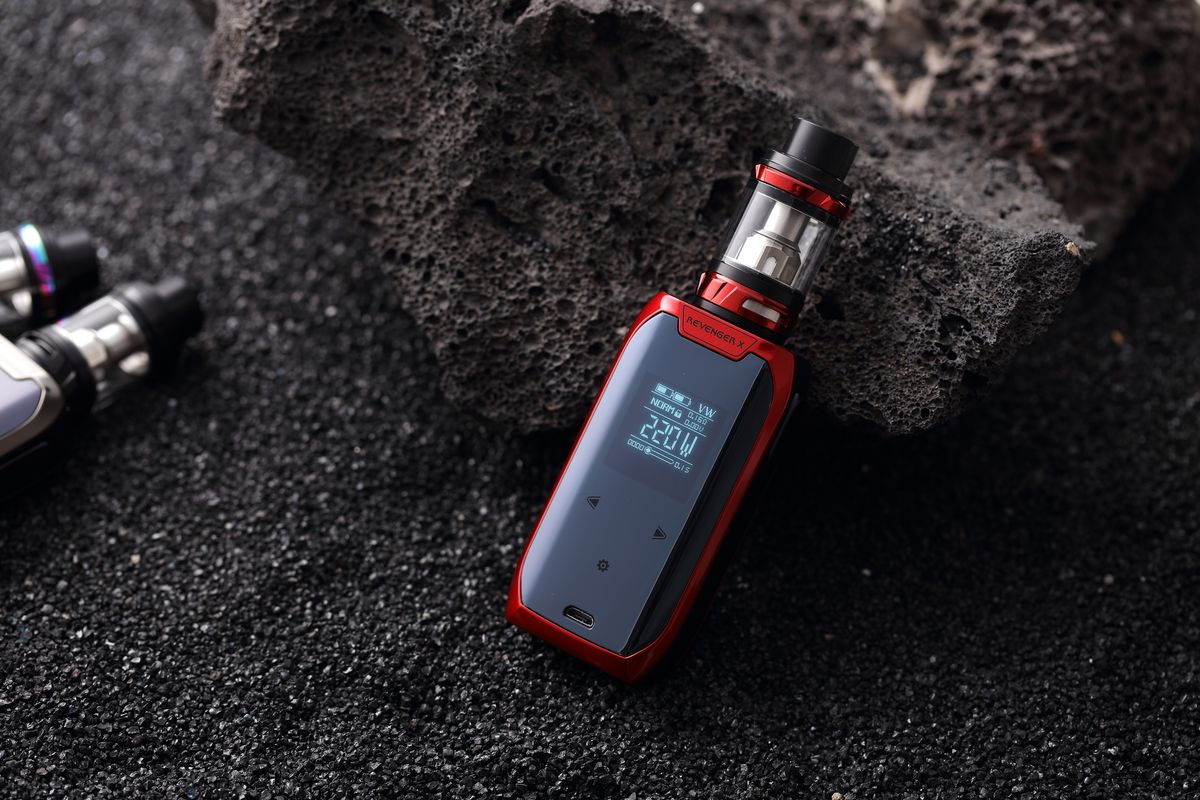
Carry-on: yes. Checked: no. This is the hard rule on the page. TSA says electronic smoking devices are allowed only in carry-on baggage, and the FAA says they must be carried on your person or in carry-on baggage and are always prohibited in checked baggage. The reason is the lithium battery and the heating coil: a vape that switches on inside a suitcase in the hold is a fire nobody can put out. The FAA rule is a hazardous materials regulation (49 CFR 175.10), so it applies on every US airline regardless of what the airline’s own policy page says.
- Stop it switching on by accident. The FAA requires it and lists how: remove the battery, separate it from the coil, put the device in a protective case, use the locking function on the fire button, or rely on a device that has to be powered on before the button works. Five clicks off is not enough on its own if the device can still fire in a pocket.
- No charging on board. The FAA states that recharging the device or its batteries on the aircraft is not permitted, even on planes with USB ports at the seat.
- No using it on board, which is an airline rule rather than a TSA one, and airlines treat it like smoking.
- Battery size: each lithium-ion battery is limited to 100 Wh, and lithium metal batteries to 2 grams of lithium. Every consumer vape is far below that.
- Spare batteries for mod-style vapes go in the carry-on only, with the terminals protected: retail packaging, tape over the ends, a battery case or a battery sleeve. Loose 18650 cells rattling in a bag are the thing that gets confiscated.
- E-liquid is a liquid: 3.4 ounces per bottle in the quart bag, any size in checked bags. Pressure changes make bottles weep, so bag them.
- Number of devices: TSA and the FAA both tell you to check with the airline, which can cap how many a passenger carries.
What happens if a vape is in your checked bag
Checked bags are X-rayed, and a vape shows up clearly. The bag can be opened and the device removed, and you find out when you unpack. If your carry-on gets tagged at the gate because the bins are full, the FAA rule means the vape and any spare batteries have to come out and travel with you in the cabin, the same as power banks; gate agents ask for exactly this. If you realize after check-in that a vape is in the suitcase, tell an agent before the flight boards. It is far better than having the bag pulled on the ramp.
Lighters and matches
Disposable and Zippo lighters: yes in carry-on, limited in checked. Torch lighters: no, anywhere. The rules split by the kind of flame. A common disposable (Bic style) or a Zippo with an absorbent lining is allowed through the checkpoint, and the FAA limits you to one, carried on your person or in your carry-on. In checked bags, TSA allows these lighters only without fuel, or up to two fueled lighters if they are enclosed in a DOT-approved lighter case. Lighter fluid and refill cans are prohibited in both bags.
- Torch lighters (also sold as jet flame, blue flame or butane torch lighters, the kind used for cigars) are banned in carry-on and checked bags by both TSA and the FAA. There is no case or exception.
- Arc, plasma and USB lighters are allowed in carry-on only, with the same two conditions as a vape: prevent accidental activation and do not charge it on board. Lithium battery lighters of any kind are carry-on only.
- Safety matches: one book in your carry-on or pocket, none in checked bags. Strike-anywhere matches are prohibited in both.
- Gate-checked carry-ons: the FAA requires any lighter or matches in a bag checked at the gate to be removed and kept with you.
Cigarettes themselves are allowed in both bags with no limit from TSA, covered in our cigarettes on a plane guide along with the customs limits that apply when you land abroad.
Items with their own guide
These toiletries follow the liquids rule above but have enough of their own questions (sizes, international voltage, what counts as medically necessary) that each has a full page:
- Perfume and cologne: 3.4 ounces in carry-on, any size in checked, with the FAA toiletry cap.
- Hair dye: TSA has no entry, so the liquids rule applies to both the dye and the developer bottle.
- Hair straighteners: corded in either bag, cordless in carry-on only.
- Toothpaste: a travel tube passes, a full-size tube does not.
- Hair gel, pomade and wax: gels and pomades count as liquids; hard wax is a judgment call.
- Minoxidil: TSA has no entry; the liquids rule applies unless it is declared as a medically necessary liquid.
- Sheet masks: TSA has no entry; the guide covers how the liquids rule applies to a serum-soaked mask.
- The quart-size bag itself: sizes, reusable options and packing order.
- Cigarettes: allowed in both bags; the limits are customs limits.
Frequently asked questions
What is the TSA 3-1-1 rule?
Each liquid, gel, cream, paste or aerosol in your carry-on must be in a container of 3.4 ounces (100 ml) or less, all containers must fit in one quart-size bag, and you take that bag out for screening. Larger containers go in checked luggage. Medications and infant nourishment are exempt but must be declared.
Can I bring a half-empty bottle larger than 3.4 ounces in my carry-on?
No. TSA goes by the size printed on the container, not by how much is left inside. A 6-ounce bottle with an inch of shampoo in it is still a 6-ounce container.
Is there a limit on liquids in checked baggage?
There is no 3.4-ounce rule for checked bags. The FAA limits toiletries and aerosols to 2 liters (68 fluid ounces) or 2 kg per person in total, with no container over 500 ml (17 fluid ounces), because those products are flammable.
Can I bring makeup on a plane?
Yes. Liquid makeup such as foundation, mascara and liquid liner must be 3.4 ounces or less and go in the quart bag. Powder, solid makeup and lipstick have no limit. Powders over 12 ounces go in a separate bin for X-ray.
Can I pack a curling iron in checked luggage?
A corded curling iron, yes. A cordless curling iron with a lithium battery or a butane cartridge is carry-on only, with a safety cover over the heating element, and spare gas cartridges are not allowed in either bag.
Can I bring a Bath and Body Works candle on a plane?
Yes. Solid wax candles, including jar candles, are allowed in both carry-on and checked bags with no size limit. Gel candles are allowed in checked bags only, because gel counts as a liquid.
Can I bring a Hydro Flask through airport security?
Yes, if it is empty. TSA allows empty bottles and thermoses in carry-on and checked bags and you can fill them after the checkpoint. A full bottle has to be emptied, since only 3.4 ounces of liquid can pass.
Can I put a vape in checked luggage?
No. TSA and the FAA both prohibit electronic smoking devices in checked baggage. They must be in your carry-on or on your person, protected from switching on by accident, and they may not be charged on board. E-liquid follows the 3.4-ounce rule in carry-on.
Can I bring a lighter on a plane?
One disposable or Zippo lighter is allowed on your person or in your carry-on. In checked bags it must be empty of fuel, or up to two fueled lighters in a DOT-approved case. Torch lighters are banned in both bags, and arc or USB lighters are carry-on only.
Are laundry detergent pods allowed in a carry-on?
TSA has no specific rule for pods. Liquid detergent follows the 3.4-ounce rule and powder detergent has no limit, so a few pods in the quart bag usually pass while a full tub may be questioned. Checked bags are the safer place for them.
Official references: TSA’s liquids, aerosols and gels rule and its What Can I Bring? list (entries for foundation, mascara, powder makeup, lipsticks, makeup remover, tweezers, shaving cream, deodorant, hair spray, curling irons corded and cordless, hair dryers, detergent, solid and gel candles, empty water bottle, coffee thermos, bottled water, heating pad, electronic cigarettes, e-liquids, lighters, matches); the FAA PackSafe pages for medicinal and toiletry articles, aerosols, cordless curling irons, electronic cigarettes, lithium batteries, lighters and matches. All checked on November 8, 2026. TSA has no entry for clothing irons, detergent pods, hot water bottles, hair dye, minoxidil or sheet masks, and the text above says so where it matters.
For electronics, start with Electronics on a Plane: What TSA Allows, Item by Item. For everything else, What Can You Bring on a Plane? 9 Essential TSA Rules links to the guides for food, sports gear, tools and unusual items.
Author
Can I bring something else on a plane? Search TSA rules ›