


Reader-supported. We may earn a commission on purchases through our links. Disclosure ›
Yes, you can bring tools on a plane, and the rule is shorter than most people expect. TSA’s tools page says it in two sentences: tools 7 inches or shorter may be allowed in carry-on baggage, and power tools and all other tools greater than 7 inches must be packed in checked baggage. Sharp things follow a second rule: knives and blades are not allowed in carry-on bags at any length, scissors are allowed only if the blade is under 4 inches from the pivot, and anything sharp in a checked bag should be sheathed or wrapped. Fuel, torches and flammable chemicals do not fly at all.
This page covers those rules and 13 kinds of tools and sharp objects people ask about, from screwdrivers and lock picks to duct tape, torches, sewing kits, knitting needles, scissors, tattoo equipment, glass, holsters and pens, plus a round-up of the tools TSA lists that nobody writes a post about. Each section gives the carry-on answer, the checked-bag answer, the thing that actually gets items taken, and the TSA or FAA page it comes from. Where TSA has no entry (carving tools, soldering irons, struts, sewing kits, tattoo needles) the text says so and names the rule that applies.
On this page
- The 7-inch rule and the sharp-objects rule
- Quick answers: all 13 items
- Screwdrivers, wrenches and pliers
- Hammers, drills, saws and power tools
- Wood carving tools and chisels
- Lock picks
- Duct tape and other tape
- Gas torches, butane and soldering irons
- Shock absorbers and struts
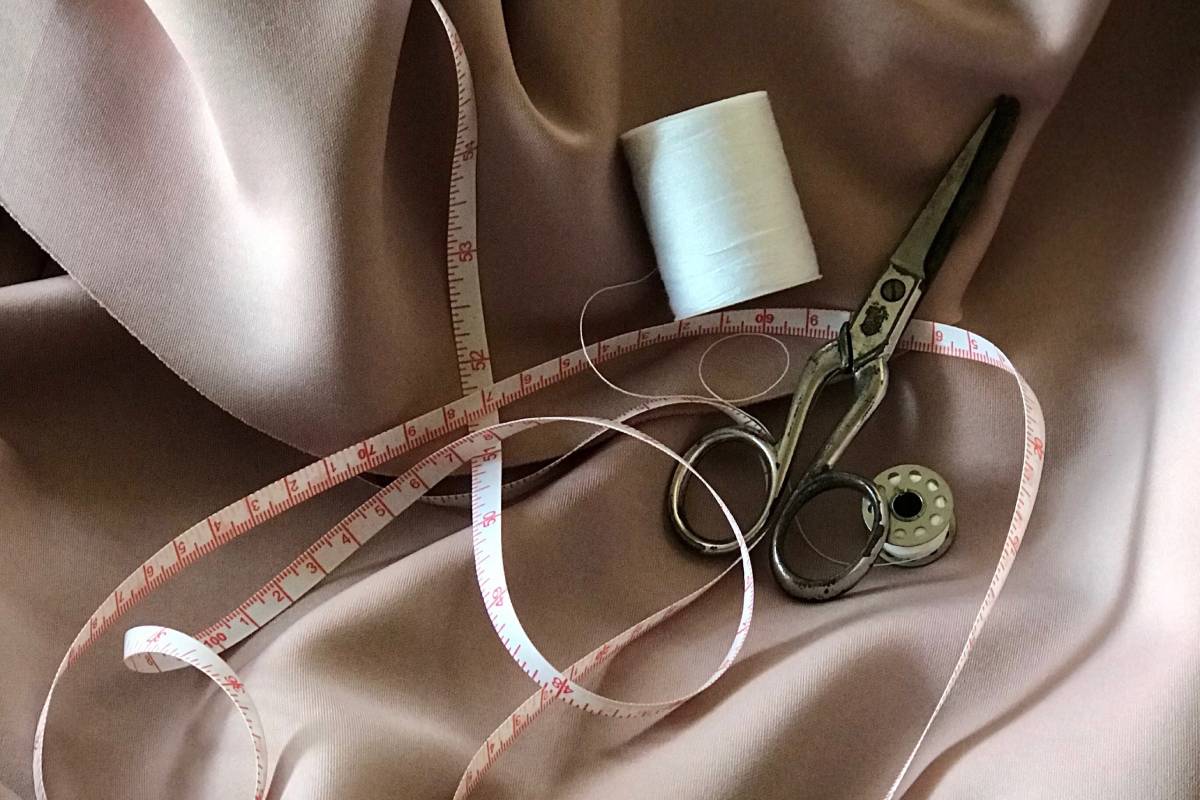
- Sewing kits
- Knitting needles and crochet hooks
- Scissors
- Tattoo needles, machines and ink
- Razors and blades
- Glass
- Empty gun holsters
- Pens
- Multitools, corkscrews and cigar cutters
- Glue, paint, lubricants and spray cans
- Items with their own guide
- Frequently asked questions
The 7-inch rule and the sharp-objects rule
- Tools: 7 inches, measured end to end when assembled. That phrase is on TSA’s screwdriver and wrench pages. A 6-inch screwdriver passes; a 7.5-inch one is checked luggage. Note the word “may” in TSA’s sentence: short tools may be allowed, and the officer decides.
- Power tools are checked only, regardless of size. Their lithium batteries are the opposite: the FAA says the safest way to travel is to remove the battery and pack it in your carry-on while checking the tool.
- Blades: no length is short enough for a carry-on. TSA’s knives page excepts only round-bladed butter knives and plastic cutlery. Box cutters, utility knives, pocket knives and multitools with a blade are all checked-bag items.
- Scissors: under 4 inches from the pivot point in a carry-on, any size in checked bags.
- Checked bags: TSA asks that any sharp object be sheathed or securely wrapped to prevent injury to baggage handlers and inspectors.
- Fuel and flammables (butane, torch lighters, gas torches, spray paint, flammable glue) are forbidden in both bags under FAA hazmat rules, and TSA’s pages now point to the FAA for them.
Every TSA item page ends with the same sentence: the final decision rests with the TSA officer at the checkpoint. For tools that sentence matters more than usual, because “7 inches or shorter may be allowed” leaves a short pry bar, a heavy wrench or a sharpened chisel to the officer’s judgment even when it measures under the limit.
Quick answers: all 13 items
| Item | Carry-on | Checked bag | The catch |
|---|---|---|---|
| Screwdriver, wrench, pliers | Yes, 7 inches or shorter | Yes | Measured end to end, assembled. |
| Hammer, drill, saw, power tool | No | Yes | Battery comes out and rides in carry-on. |
| Wood carving tools, chisels | No | Yes | Blades. Not listed by TSA; knives rule applies. |
| Lock picks | Yes, 7 inches or shorter | Yes | TSA says check local law. |
| Duct tape | Yes | Yes | None. |
| Gas torch, butane torch | No | No | Banned both ways, fuel or no fuel. |
| Soldering iron, electric | Yes | Yes | Battery models need the element isolated. |
| Shock absorbers, struts | Expect no | Expect no | Gas-charged. No TSA or FAA entry; ship them. |
| Sewing kit | Yes | Yes | Needles and pins fine; blade thread cutters checked. |
| Knitting needles, crochet hooks | Yes | Yes | Sheathed in checked bags. |
| Scissors | Under 4 inches from pivot | Yes | Measured from the pivot, not the tip. |
| Tattoo machine | Yes | Yes | Battery models carry-on. Ink is a liquid. |
| Tattoo needles | Yes, sheathed | Yes | Not listed; sewing needle rule applies. |
| Disposable or cartridge razor | Yes | Yes | Loose blades and safety razor blades checked only. |
| Glass | Yes | Yes | Wrap it. Full glass bottles are liquids. |
| Empty gun holster | Yes | Yes | None. Firearms have their own rules. |
| Pens | Yes | Yes | Tactical pens are checked only. |
Before your next flight: the free carry-on packing checklist
The TSA liquids rule, the battery rule and the five things people forget, on one printable page. Sent to your inbox.
Screwdrivers, wrenches and pliers
Carry-on: yes, 7 inches or shorter. Checked: yes. TSA keeps two screwdriver pages. Screwdrivers 7 inches or shorter, measured from end to end when assembled, are allowed in carry-on baggage; screwdrivers longer than 7 inches are prohibited in carry-on and must be packed in checked baggage. Wrenches and pliers share a page with the same cutoff. “Assembled” is the word that catches people with interchangeable-bit drivers: the handle plus the bit is the length that counts, not the handle alone.
- Precision screwdriver sets for glasses, electronics and watches are well under 7 inches and travel in a carry-on without comment.
- Adjustable wrenches are measured the same way. A 6-inch adjustable passes; the 8-inch one in most home kits does not.
- Pliers with a wire cutter are still pliers, not a blade, and follow the 7-inch rule.
- Bit sets are loose steel on the X-ray. Keep them in the case so the officer sees a kit, not a pile.
Hammers, drills, saws and power tools
Carry-on: no. Checked: yes. TSA’s hammers page, drills and drill bits page and saws page are each a plain no for carry-on and yes for checked, with the saws page adding that cordless portable power saws are included. The power tools page is the same, with special instructions for checked bags that come down to the battery. The FAA’s power tools page gives the recommended method: remove the battery and pack it in your carry-on baggage while checking the tool. Spare lithium batteries are carry-on only under the general battery rule, and a battery left installed in a checked tool has to be protected from switching on.
- Drill bits go with the drill in the checked bag, in their case.
- Corded power tools have no battery and are an ordinary checked item.
- Battery size: most power tool packs are 50 to 110 Wh. Up to 100 Wh needs nothing; 101 to 160 Wh needs airline approval and is limited to two spares; over 160 Wh does not fly.
- Box cutters and utility knives are checked only, with or without blades, under their own TSA pages.
Wood carving tools and chisels
Carry-on: no. Checked: yes, sheathed. TSA has no entry for carving knives, gouges, chisels or whittling tools, and it does not need one, because each of them is a blade. TSA’s knives page prohibits knives in carry-on bags with the sole exception of round-bladed butter knives and plastic cutlery, and a carving gouge is sharper than most kitchen knives. In checked bags they are allowed, with the standing instruction to sheath or wrap anything sharp so it cannot injure a baggage handler. A tool roll with edge guards does both jobs.
Carvers who fly carry-on only have two real options: mail the roll ahead, or buy a cheap knife at the destination. Sharpening stones, strops and mallets have no blade and are allowed anywhere, subject to the 7-inch rule for the mallet.
Lock picks
Carry-on: yes, 7 inches or shorter. Checked: yes. TSA treats lock picks as tools: its lock picks page says tools 7 inches or less in length are allowed in carry-on bags, and the verdict is yes for both bags. Every pick set on the market is far shorter than 7 inches. The page adds one line that no other tool page has: please check with local law enforcement regarding traveling with this item. Possession of lock picks is legal in most US states but is restricted or treated as evidence of intent in a few, and it is illegal in some countries, so the TSA answer is only half the question for an international trip.
Practice locks, tension wrenches and rakes are all covered by the same rule. A pick gun or electric pick with a battery follows the battery rule as well: carry-on, which is where the set would be anyway.
Duct tape and other tape
Carry-on: yes. Checked: yes. TSA’s duct tape page is a plain yes for both bags with no conditions. TSA has no page for any other kind of tape, and none is needed: packing tape, electrical tape, gaffer tape, masking tape and medical tape are all the same thing for screening purposes, a roll of adhesive with no blade, battery or fuel. A roll of duct tape is a dense disc on the X-ray and sometimes gets a look; that is the whole story. The one thing to leave home is a tape gun with a serrated cutting edge, which is a blade and belongs in a checked bag.
Gas torches, butane and soldering irons
Gas torches: no in both bags. Butane: no in both bags. Electric soldering irons: yes. Butane soldering irons: no. TSA’s gas torches page is a flat no for carry-on and checked, and its torch lighters page explains why in its own words: torch lighters create a thin, needle-like flame that is hotter, reaching 2,500 F, and more intense than a common lighter’s, and they maintain a stream of air-propelled fire regardless of the angle they are held at. The FAA’s lighters page agrees that torch lighters are not allowed in the cabin or in checked baggage by both hazmat and TSA rules. Butane itself, the fuel, is a no for both bags on TSA’s page, and the FAA’s fuels page forbids all camp stove and similar fuels.
- Kitchen torches for crème brûlée are gas torches. They do not fly, empty or full.
- Corded electric soldering irons have no fuel and no battery; the FAA’s page on engine- and mains-powered equipment treats corded equipment as unrestricted, and TSA has no entry for them. They travel as an ordinary tool, and at over 7 inches most go in checked bags.
- Battery soldering irons fall under the FAA chart row for battery-powered heat-producing devices, which names soldering equipment: allowed in either bag with airline approval when the battery, fuse or heating element is isolated so it cannot switch on, and unrestricted as hazmat if the battery is removed entirely. Remove the battery, carry it on, and the question goes away.
- Butane soldering irons hold a butane cartridge and follow the butane rule: no.
Shock absorbers and struts
Carry-on: expect no. Checked: expect no. Neither TSA nor the FAA publishes an entry for shock absorbers, struts or gas springs; we checked the full TSA list and the FAA chart. The problem is what they are: a gas-charged shock or strut is a sealed cylinder of nitrogen under pressure, and TSA’s compressed gas rule allows only cylinders that are visibly empty with the valve removed, which a sealed strut cannot be. The FAA’s guidance for items not on its chart is to read the transportation section of the manufacturer’s safety data sheet; for gas-charged dampers that section usually classifies them as a dangerous good. Bare, non-gas-charged hydraulic shocks and the springs alone have no gas and would travel as heavy tools in a checked bag, but an officer cannot tell the two apart by looking.
The practical answer for anyone carrying car parts to a destination is to ship them. Freight carriers handle gas-charged struts routinely under hazmat labeling, and the part arrives without a baggage search or a refusal at the counter.
Sewing kits
Carry-on: yes. Checked: yes. TSA has no “sewing kit” page; it has pages for every piece inside one. Sewing needles are allowed in both bags, and the needles page notes that thread cutters with a blade must be checked while scissors under 4 inches are fine. Safety pins and stick pins are a yes for both bags. Thimbles, thread, buttons and seam rippers raise no question at all, with the seam ripper being a small blunt hook rather than a blade. The travel sewing kits sold in pharmacies, with a folding pair of 2-inch scissors, pass the checkpoint as a unit.
The items that fail are the ones with an exposed blade: rotary cutters, blade-style thread cutters that look like a pendant, and full-size dressmaking shears over the 4-inch limit. Those go in the checked bag, wrapped.
Knitting needles and crochet hooks
Carry-on: yes. Checked: yes. TSA’s knitting needles page and crochet hooks page both allow them in either bag, with the usual request to sheath or wrap them in checked luggage. Metal, wood, bamboo and plastic needles are all covered, as are circular needles and double-pointed sets. Knitting on the plane is allowed by TSA; some international airlines and some foreign checkpoints take a different view, so for trips abroad a bamboo set and a project on circular needles is the safer bet than long metal straights.
The accessories need more thought than the needles. Yarn cutters with an enclosed blade (the circular pendant style) are blades for TSA purposes and belong in checked luggage, and embroidery scissors must be under 4 inches from the pivot. A nail clipper does the job of a yarn cutter and is allowed anywhere.
Scissors
Measure from the pivot, not the tip
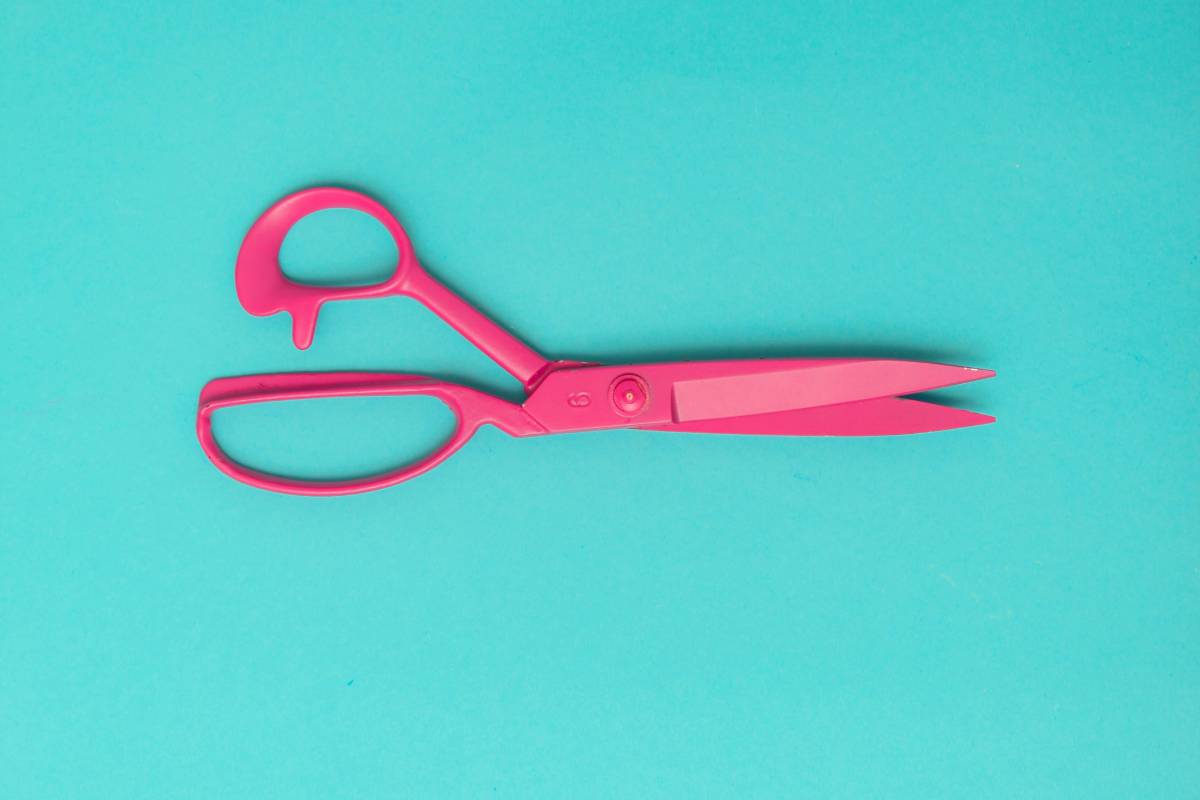
Carry-on: yes, if the blade is less than 4 inches from the pivot point. Checked: yes, any size. TSA’s scissors page gives the rule in one sentence: if packed in carry-on, they must be less than 4 inches from the pivot point. The measurement runs from the screw that joins the two halves to the tip of the blade, so the overall length of the scissors is not the number that matters. Most school scissors, nail scissors, embroidery scissors and folding travel scissors pass. Kitchen shears, fabric shears and office scissors with 4-inch or longer blades go in checked bags, wrapped.
- Blunt-tip children’s scissors pass easily and are a safe choice for a carry-on craft kit.
- Multitool scissors are allowed by the same measure, but only if the multitool has no knife blade; a blade of any length makes the whole tool a checked item.
- International flights can be stricter. Several countries and airlines bar scissors from the cabin entirely, so for a trip abroad, pack them in the checked bag.
Tattoo needles, machines and ink
Machines: yes in both bags, battery models in carry-on. Needles: yes, sheathed. Ink: 3.4 ounces per bottle in carry-on. TSA’s tattoo guns page allows machines in carry-on and checked bags with special instructions that come down to the battery: lithium-powered devices should be carried on, and the page links to the FAA’s rules for battery devices. Tattoo needles have no page of their own; they are needles, and TSA’s sewing needles page allows needles in both bags, with the instruction to sheath or wrap sharp objects in checked luggage. Sealed, sterile needle cartridges in their blister packs are the easy way to carry them. Tattoo inks have their own page: liquids, 3.4 ounces or less per bottle in the quart bag, any size in checked bags.
Artists traveling to conventions usually carry the machines, power supply and cartridges on, and check the ink, which is the heavy, leaky part. A written inventory in the case helps when an officer opens it, which with a case of needles and coils is likely. Disposable razors for shaving skin follow the razor rule next.
Razors and blades
Disposable and cartridge razors: yes in both bags. Safety razor blades, loose blades, straight razors: checked only. Electric razors: yes anywhere. TSA splits razors by whether the blade can come out. Disposable razors and cartridge razors are allowed in carry-on and checked bags. A safety razor is allowed through the checkpoint only without its blade, and TSA officers are not authorized to remove the blade for you; razor-type blades not in a cartridge are prohibited in carry-on and allowed in checked bags. Straight razors have no page of their own, but they are a knife-style blade and fall under the knives and loose-blade rules: checked only. Electric razors are a yes for both bags.
Safety razor users who fly carry-on only pack the razor with no blade installed and buy a pack of blades on arrival, or pack the blades in a checked bag inside their paper wrappers. Nail clippers and metal nail files, often asked about alongside razors, are allowed in both bags.
Glass
Carry-on: yes. Checked: yes. TSA’s glass page is a plain yes for both bags, and so is its page for an empty glass vase. Glassware, picture frames, ornaments, lab glass and empty glass bottles are all allowed; TSA has no rule against glass as a material, only against what is inside it. A full glass bottle is a liquid container and follows the 3.4-ounce rule in carry-on, which is why a bottle of wine or olive oil rides in checked luggage. Broken glass with an edge is a sharp object and belongs wrapped in a checked bag, or in the trash.
- Carry it on when you can. A checked bag is dropped, stacked and thrown, and glass in a suitcase arrives broken more often than any airline would admit.
- Wrap it in clothing inside a hard-sided case for checked bags, with nothing glass touching the shell.
- Drinking glasses and fragile souvenirs fit a carry-on in their original box with the packing; the X-ray shows the shapes clearly and rarely triggers a search.
Empty gun holsters
Carry-on: yes. Checked: yes. TSA’s holsters page allows an empty holster in either bag; it is a piece of leather or Kydex with no blade and no mechanism. The page’s only instruction is to read the guidelines for traveling with firearms, because the holster is the easy half of the question. Firearms, ammunition and magazines have their own TSA rules (unloaded, in a locked hard-sided container, declared at the ticket counter, checked bags only), and those are outside this guide. An empty holster worn through the checkpoint is allowed but invites a pat-down; packing it is simpler.
Pens
Carry-on: yes. Checked: yes. TSA’s pen page is a yes for both bags with no conditions, and that covers ballpoints, fountain pens, markers and mechanical pencils. The exception has its own page: tactical pens, the machined metal pens sold with a glass-breaker tip and marketed as a self-defense tool, are a no for carry-on and yes for checked. The design intent is the problem, not the ink.
Fountain pens leak on climb-out because the air trapped in the barrel expands. Fill them completely or empty them, cap them nib-up, and keep them in a pouch. Pen refills and ink cartridges are liquids in tiny containers and pass without being counted toward the quart bag in practice; a 2-ounce bottle of fountain pen ink goes in the quart bag.
Multitools, corkscrews and cigar cutters
Three items TSA lists that sit on the edge of the blade rule:
- Multitools. TSA’s wording: multitools with knives of any length are prohibited in carry-on bags, and multitools with scissors under 4 inches may be placed in carry-on bags. A Leatherman with a blade is checked only; a blade-free multitool is a yes for both bags on its own TSA page. Swiss Army knives are knives.
- Corkscrews. A corkscrew with a foil-cutting blade (the waiter’s friend) is checked only; a corkscrew with no blade is allowed in both bags. TSA keeps a page for each.
- Cigar cutters. Generally permitted in carry-on, but TSA’s page recommends packing them in checked baggage and reminds you that officers can prohibit any item they believe poses a threat. A guillotine cutter is a blade in a housing; treat it as a checked item unless you are willing to lose it.
Glue, paint, lubricants and spray cans
These are FAA hazmat questions rather than TSA security ones, and the FAA sorts them all by one number: a flash point at or below 140 F (60 C) on the product’s safety data sheet means flammable, and flammable means forbidden in both bags.
- Glue. The FAA says most model glues, rubber cements and industrial-strength adhesives are flammable and not allowed in carry-on or checked baggage, while some super glues and household glues are not flammable and are allowed. School glue and glue sticks are unrestricted. Check the label or the SDS; epoxy is not named and falls under the same test.
- Paint. The FAA does not use the words latex or oil-based. Paints with a flash point above 140 F count as nonflammable and may be carried in either bag; many artist paints qualify, but paint not marked nonflammable can be removed by screeners, and the FAA suggests packing the SDS with the paint. Most spray paint is a flammable aerosol and is forbidden; TSA’s spray paint page is a no for both bags.
- Lubricants. The FAA names WD-40 as an example of a flammable aerosol, forbidden in both bags. Nonflammable, non-aerosol oils such as motor oil and 3-in-1 oil are allowed in either bag under the FAA’s oils entry; pack them sealed in a bag.
- Fire extinguishers are a no for both bags on TSA’s page.
Items with their own guide
- Knives in checked baggage: the full knife rule, from butter knives to fixed blades, and how to pack them.
- Can openers: allowed in both bags when there is no blade; TSA lists bottle openers but not can openers.
- Pencil sharpeners: a yes on TSA’s page, with the loose-blade question for the metal kind.
- Laser pointers: allowed in both bags; never point one anywhere near an aircraft.
- Magnets: allowed, with an FAA field-strength limit that only industrial magnets approach.
Frequently asked questions
Can I bring tools in my carry-on?
Tools 7 inches or shorter, measured end to end when assembled, may be allowed in carry-on bags. Power tools and any tool longer than 7 inches must be checked. The officer makes the final call on short tools.
Can I bring a screwdriver on a plane?
Yes. A screwdriver 7 inches or shorter is allowed in carry-on and checked bags. Longer screwdrivers go in checked luggage. The length includes the bit when assembled.
What size scissors are allowed in a carry-on?
Scissors with blades less than 4 inches measured from the pivot point are allowed in carry-on bags. Larger scissors must be checked, wrapped so they cannot injure a baggage handler.
Can I take knitting needles on a plane?
Yes. TSA allows knitting needles and crochet hooks in both carry-on and checked bags, and knitting on board is permitted on US airlines. Yarn cutters with a blade must be checked.
Are lock picks allowed on a plane?
Yes. TSA treats lock picks as tools under the 7-inch rule and allows them in both bags, but its page tells you to check with local law enforcement, since possession rules vary by state and country.
Can I bring duct tape on a plane?
Yes. Duct tape is allowed in carry-on and checked bags with no restrictions. Other tapes have no TSA page and are treated the same way.
Can I bring a butane torch on a plane?
No. Gas torches and torch lighters are prohibited in both carry-on and checked bags by TSA and the FAA, and butane fuel is prohibited as well. This includes kitchen torches and butane soldering irons.
Can I fly with a power tool?
In checked bags only. The FAA recommends removing the lithium battery and carrying it in your carry-on while the tool is checked. Spare batteries are always carry-on only.
Can I bring a tattoo machine on a plane?
Yes, in either bag, with battery-powered machines in the carry-on. Needles are allowed, sheathed in checked bags or sealed in cartridges. Tattoo ink is a liquid: 3.4 ounces per bottle in carry-on, any size checked.
Can I bring a safety razor in my carry-on?
Only without the blade. TSA allows the razor through the checkpoint with no blade installed and officers will not remove a blade for you. Loose blades and straight razors go in checked bags. Disposable and cartridge razors are fine anywhere.
Is glass allowed on a plane?
Yes. Glass is allowed in both carry-on and checked bags. Full glass bottles follow the 3.4-ounce liquids rule in carry-on. Wrap glass well; carry-on is the safer place for anything fragile.
Can I bring an empty gun holster on a plane?
Yes, in either bag. TSA’s only instruction is to read its firearms rules, which require unloaded guns in a locked hard case, declared at check-in, in checked bags only.
Official references: TSA’s What Can I Bring? list (entries for tools, screwdrivers shorter and longer than 7 inches, wrenches and pliers, hammers, drills and drill bits, power tools, saws, box cutters, utility knives, knives, lock picks, duct tape, gas torches, torch lighters, butane, sewing needles, safety pins, knitting needles, crochet hooks, scissors, tattoo guns, tattoo inks, disposable razor, safety razor, razor-type blades, electric razors, nail clippers, glass, glass vase, holsters, pen, tactical pen, multi-tools, multi-tool without blades, corkscrews with and without blade, cigar cutters, spray paint, fire extinguishers); the FAA PackSafe pages for power tools, lighters, fuels, adhesives, paints and solvents, aerosols and items not otherwise listed, plus the FAA printable chart. All checked on November 8, 2026. TSA has no entry for carving tools, chisels, soldering irons, struts, sewing kits, tattoo needles, straight razors or non-duct tapes, and the text above says so where it matters.
For batteries and gadgets, see Electronics on a Plane. For sports and camping gear, including stoves and crampons, see Sports and Outdoor Gear on a Plane. For everything else, What Can You Bring on a Plane? 9 Essential TSA Rules links to the guides for toiletries, food and unusual items.
Author
Can I bring something else on a plane? Search TSA rules ›