


Reader-supported. We may earn a commission on purchases through our links. Disclosure ›
Most of the odd things people ask about are allowed on a plane. TSA keeps a page for lightsabers, Harry Potter wands, snow globes, Play-Doh, cremated remains, live lobsters and handcuffs, and nearly all of them say yes. The items that fail do so for the same reasons as everything else: a liquid over 3.4 ounces (glow sticks, big snow globes, slime), something that looks like a weapon (realistic replicas, foam swords), something sharp (darts, real sabers), or a lithium battery in the wrong bag. The items TSA does not list at all (playing cards, hats, strollers, inflated balloons, cash) are governed by the airline, by common sense, or by nobody.
This page covers 18 kinds of unusual items, from drumsticks and violins to slime, glow sticks, helium balloons, Christmas trees, toy weapons, art, coins, cremated remains, pets, strollers, inflatable kids beds, nebulizers, neck pillows and hats. Each section gives the carry-on answer, the checked-bag answer, the thing that actually causes trouble, and the TSA or FAA page it comes from. Where TSA has no entry, the text says so and names the rule that applies instead.
On this page
- Quick answers: all 18 items
- Drumsticks, drums, violins and other instruments
- Decks of playing cards
- Slime and Play-Doh
- Glow sticks
- Helium balloons
- Decorative pins and badges
- Christmas trees and wreaths
- Lightsabers and toy weapons
- Art portfolios and framed art
- Quarters, coins and cash
- Cremated remains
- Pets at the checkpoint
- Strollers and car seats
- Inflatable kids beds and footrests
- Nebulizers and CPAP machines
- Neck pillows
- Hats and costume masks
- More odd items TSA lists
- Frequently asked questions
Quick answers: all 18 items
| Item | Carry-on | Checked bag | The catch |
|---|---|---|---|
| Drumsticks | Yes | Yes | None. |
| Violin, guitar, small instruments | Yes | Yes | Physical inspection at the checkpoint. Airline space rules. |
| Drums, cymbals, brass | Check with airline | Yes | Size. TSA says pack brass in checked. |
| Playing cards | Yes | Yes | Not listed by TSA. Nothing to screen. |
| Play-Doh | Yes | Yes | None. |
| Slime | Yes, 3.4 oz | Yes | A gel. Quart bag. |
| Glow sticks | Yes, 3.4 oz | Yes | Liquid inside. Quart bag. |
| Balloons, deflated | Yes | Yes | None. |
| Balloons, inflated with helium | Not listed | Not listed | Airline decides. Most say no to the cabin. |
| Pins and badges | Yes | Yes | None. |
| Christmas tree, wreath, lights | Yes, if it fits | Yes | Not listed by TSA. Live greenery: plant rules. |
| Toy lightsaber | Yes, per TSA’s page | Yes | TSA’s Halloween advice says checked. Pack it there. |
| Realistic toy weapons, foam swords | No | Yes | Replica explosives are banned both ways. |
| Paintings, framed art | Yes | Yes | Airline size limits. |
| Coins and cash | Yes | Yes | Not listed. Keep valuables with you; declare $10,000+ at customs. |
| Cremated remains | Yes | Yes, airline permitting | Container must X-ray clearly. Officers never open it. |
| Pets | Check with airline | Check with airline | Pet out of the carrier, carrier through the X-ray. |
| Stroller, car seat | Yes | Yes | X-rayed at the checkpoint, gate-checked free by most airlines. |
| Inflatable kids bed, footrest | Yes | Yes | TSA allows it; most airlines ban using it on board. |
| Nebulizer, CPAP | Yes | Yes | Comes out for X-ray; liquids exempt from 3.4 oz. |
| Neck pillow | Yes | Yes | None. |
| Hats | Yes | Yes | Not listed. Masks come off for ID. |
Every TSA item page ends with the same sentence: the final decision rests with the TSA officer at the checkpoint. The answers below are the published rules and they hold for almost everyone, but an item that looks odd on the X-ray can always earn a bag check.
Drumsticks, drums, violins and other instruments
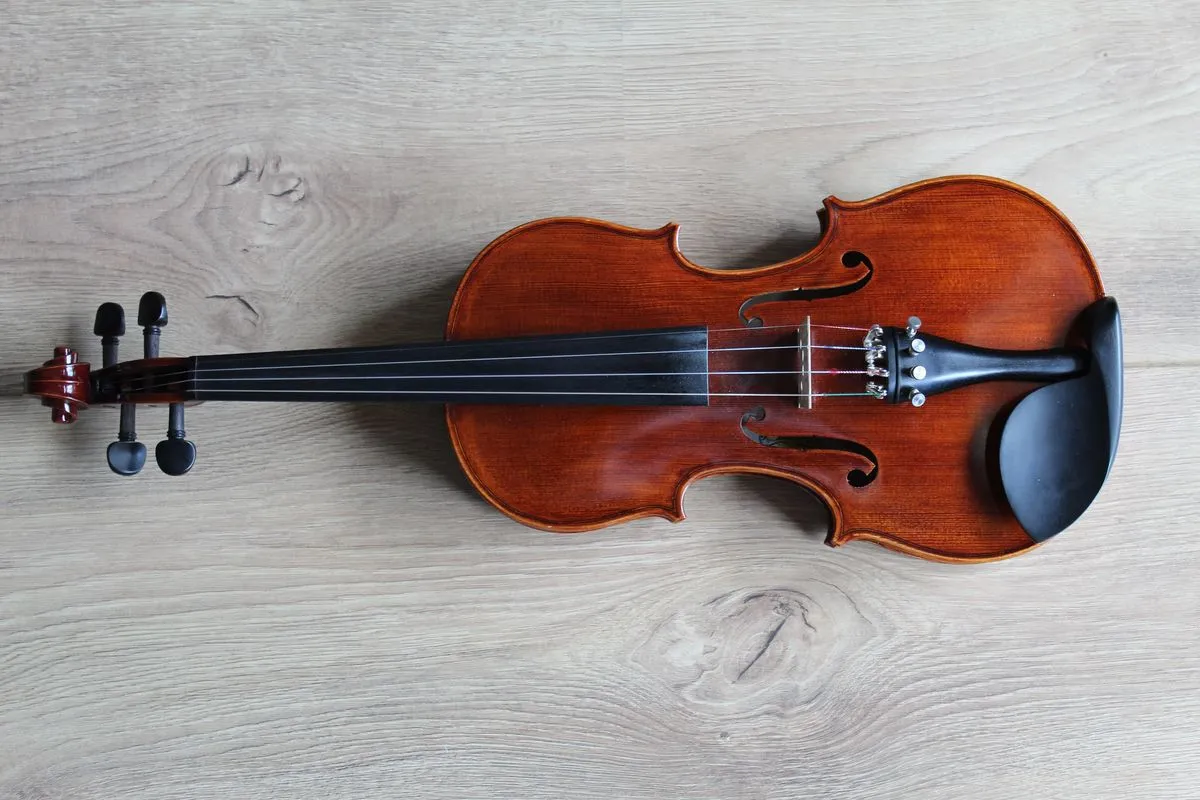
Drumsticks: yes in both bags. Violins, guitars and other small instruments: yes in both bags, with a hands-on inspection. Drums, cymbals and brass: checked, or check with the airline. TSA keeps two drumstick pages, both a plain yes. Its instrument pages share one paragraph: musical instruments must undergo screening whether carried on or checked, instruments carried on require a physical inspection at the checkpoint, you should tell the officer if the instrument needs special care, and brass instruments should be packed in checked bags. Cymbals and guitars add a line telling you to check the airline’s size policy, and the brass instruments page is a “check with airline” for carry-on.
The size question has a federal answer most travelers do not know about. A Department of Transportation rule (14 CFR Part 251) requires US airlines to let a passenger carry a violin, guitar or other small instrument in the cabin at no fee beyond the normal carry-on fee, if it fits in the overhead bin or under the seat and there is space when you board. Larger instruments can ride in a purchased seat, and instruments under 150 linear inches and 165 pounds must be accepted as checked baggage. The practical consequence: board early, because the rule only guarantees space that is still free.
- Drum kits have no TSA page; each piece is screened as what it is. Shells and hardware go as checked baggage in cases; cymbals in a cymbal bag can be a carry-on if the airline allows the size.
- Checked instruments should be in a hard case with the strings loosened and padding around the neck. Baggage holds are cold and dry.
- Electronic instruments with built-in lithium batteries follow the battery rule: carry-on.
Our musical instrument guide covers airline-by-airline policies and how to measure an instrument case against the carry-on limit.
Before your next flight: the free carry-on packing checklist
The TSA liquids rule, the battery rule and the five things people forget, on one printable page. Sent to your inbox.
Decks of playing cards
Carry-on: yes. Checked: yes. TSA has no entry for playing cards, tarot decks, board games or trading cards, and none is needed: a deck of cards is paper, with no liquid, blade, battery or fuel. It travels like a book. The only version of this question with a real answer is the metal-cased or metal-core “throwing cards” sold as novelties, which an officer can treat as a sharp object. Ordinary decks, card games and a travel board game are a non-event at any checkpoint, and playing cards on the flight is allowed on every airline.
Slime and Play-Doh
Play-Doh: yes in both bags. Slime: 3.4 ounces per container in carry-on, any amount in checked. TSA’s Play-Doh page is a plain yes with no conditions; modeling clay and putty balls are the same. Slime has no page of its own, and TSA’s gel-filled toys page gives the answer for it: toys that appear to hold less than 3.4 ounces of gel are allowed in carry-on if they fit in the quart bag with your other liquids, and anything bigger goes in checked luggage. A standard tub of slime is 4 to 8 ounces and fails. Kinetic sand is a solid.
For a kid’s carry-on, the easy version is a few small containers of slime in the quart bag and the big tub in the suitcase. Pressure changes make slime containers burp, so a zip bag around each one saves the clothes.
Glow sticks
Carry-on: yes, 3.4 ounces or less each, in the quart bag. Checked: yes. TSA’s glow sticks page says exactly that: glow sticks must follow the 3-1-1 liquids rule for carry-on bags and go in the single quart-size bag with other liquids. The sticks are tubes of liquid, which is why. Standard party glow sticks hold far less than 3.4 ounces each, so a handful fits the bag; a bulk tube of a hundred is a checked-bag item for volume alone. Battery-powered LED glow toys are not liquids and follow the ordinary battery rule.
Helium balloons
Deflated balloons: yes in both bags. Inflated helium balloons: not listed by TSA or the FAA, and the airline decides. TSA’s page for balloons that are not inflated is a plain yes. There is no TSA page for inflated balloons and no FAA PackSafe entry for helium at all; helium is a nonflammable gas, so it is not a hazmat concern in balloon quantities. That leaves the airline, and most US airlines refuse inflated balloons in the cabin because they get in the way and can block an aisle or a window, and refuse them in checked bags because they pop. A balloon weight and a bag of deflated balloons are allowed anywhere; the helium tank is a compressed gas cylinder and is not.
TSA has no rule against an inflated balloon, so the checkpoint is not where it fails; the gate agent is. Buy helium at the destination; party stores and grocery stores fill balloons while you wait.
Decorative pins and badges
Carry-on: yes. Checked: yes. TSA’s stick pins page, safety pin page and bobby pins page are all a yes for both bags, and an enamel pin, a lapel pin or a conference badge is a stick pin with decoration. Pin collectors flying with a bag of a hundred pins have a dense metal cluster on the X-ray and may be asked to open the bag; a pin board or a binder keeps them flat and readable. A wearable pin going through the metal detector is nothing more than jewelry.
Christmas trees and wreaths
Carry-on: yes if it fits. Checked: yes. TSA has no page for Christmas trees or wreaths, artificial or real; the closest entries are Christmas lights and holiday lights, both a plain yes for both bags, and the plants and flowers pages, also yes. An artificial tree in its box is a bulky checked item under the airline’s size rules. A small live tree or a fresh wreath is a plant for TSA purposes and passes security, with two outside catches: airlines may refuse live greenery that sheds, and travelers leaving Hawaii, Puerto Rico or the US Virgin Islands for the mainland face USDA agricultural inspection, which restricts most live plant material. International arrivals are stricter still.
- Lights in any quantity are fine in either bag. Battery-powered strings follow the lithium rule if they use a rechargeable pack.
- Glass ornaments are glass: allowed, wrap them, carry them on.
- Snow globes have their own TSA rule: only one small enough that the whole globe, base included, fits in the quart bag (about tennis-ball size) can go in a carry-on. Larger ones are checked.
- Candles: solid wax yes, gel candles checked only.
Lightsabers and toy weapons
Toy lightsaber: TSA’s item page says yes in both bags. Realistic toy weapons and foam swords: checked only. Replica explosives: banned everywhere. TSA’s lightsaber page is famous for its wording: the technology to create a real lightsaber does not exist, but you can pack a toy lightsaber in your carry-on or checked bag. The catch is that TSA’s own Halloween travel advice from October 2023 lists light sabers among the props that must be placed in checked baggage, alongside fake knives, pitchforks, brooms, swords and scythes. The two pages conflict, and at the checkpoint the officer’s judgment settles it. A collapsible toy saber in a carry-on usually passes; a 3-foot replica hilt-and-blade is a bludgeon-shaped object, and checked luggage avoids the argument.
- Toy guns and weapons. TSA says these are generally permitted but recommends checked bags, and that squirt guns, Nerf guns, toy swords or anything that resembles a realistic firearm or weapon is prohibited in carry-on. Water guns must be empty and follow the liquids rule.
- Realistic replica firearms are checked only and travel under the firearms guidelines. BB guns and cap guns are checked only too.
- Replica explosives and incendiaries (toy grenades, fake dynamite, prop bombs) are prohibited in both bags, with no exception for obviously fake ones.
- Foam toy swords are a no for carry-on on TSA’s page; real sabers and swords are checked only, sheathed.
- Harry Potter wands have their own page: yes in both bags.
Art portfolios and framed art
Carry-on: yes, if it fits. Checked: yes. TSA’s paintings page and glass picture frame page are both a yes for both bags. An art portfolio has no entry of its own; it is a flat case of paper or canvas and screens like a large book. The constraint is the airline: a standard portfolio case is longer than the carry-on limit on most US carriers but thin, and gate agents often let a flat case ride in the closet or behind the last row if you ask at boarding. Anything larger goes as checked luggage, where the oversize fee applies above 62 linear inches.
- Framed art with glass is allowed anywhere; the glass is the fragile part, so a carry-on is safer, and a mirror-box or picture box with corner protectors is the right checked packaging.
- Rolled canvases in a tube are the easiest to carry on.
- Art supplies: paints are an FAA question (flammable solvent-based paints are banned, water-based paints over 3.4 ounces are checked), covered in our tools guide. Palette knives and craft blades are checked only.
Quarters, coins and cash
Carry-on: yes. Checked: yes, but do not. TSA publishes no entry for coins, cash or currency; there is no amount of money that TSA restricts on a domestic flight. Its jewelry page gives the practical rule for valuables: keep them with you at all times, never in checked baggage, and you can ask for a private screening of yourself and your valuables. A roll of quarters is a solid metal cylinder on the X-ray and can draw a bag check; a coin collection in a flat binder reads clearly and does not. Large amounts of cash in a carry-on are legal but may prompt questions, and officers can refer cash to law enforcement if they suspect it is connected to a crime.
International flights add a customs rule, not a TSA one: anyone carrying more than $10,000 in currency or monetary instruments into or out of the United States must declare it to U.S. Customs and Border Protection. Carrying it is legal; failing to declare it is not.
Cremated remains
Carry-on: yes, in a container the X-ray can see through. Checked: yes, if the airline allows it. TSA’s cremated remains page opens by saying it understands how painful losing a loved one is and treats remains with respect, and then gives the rule plainly. Some airlines do not allow cremated remains in checked bags, so check with the airline. For screening, TSA suggests a temporary or permanent container made of a lighter material such as wood or plastic, because a container that produces an opaque X-ray image cannot be cleared, and TSA officers will never open the container, even at your request. If the officer cannot see what is inside, the container cannot go through the checkpoint.
- Metal, stone and ceramic urns are the ones that fail X-ray. Funeral homes sell temporary containers for travel and will transfer the remains back into the permanent urn afterwards, or you can ship the urn separately.
- Documents are not a TSA requirement, but airlines and foreign customs often ask for the death certificate and the cremation certificate. Carry both.
- Carry-on is the right place. The container stays with you, is never thrown or lost, and the screening is done in front of you. TSA Cares (855-787-2227) can arrange assistance at the checkpoint in advance.
Pets at the checkpoint
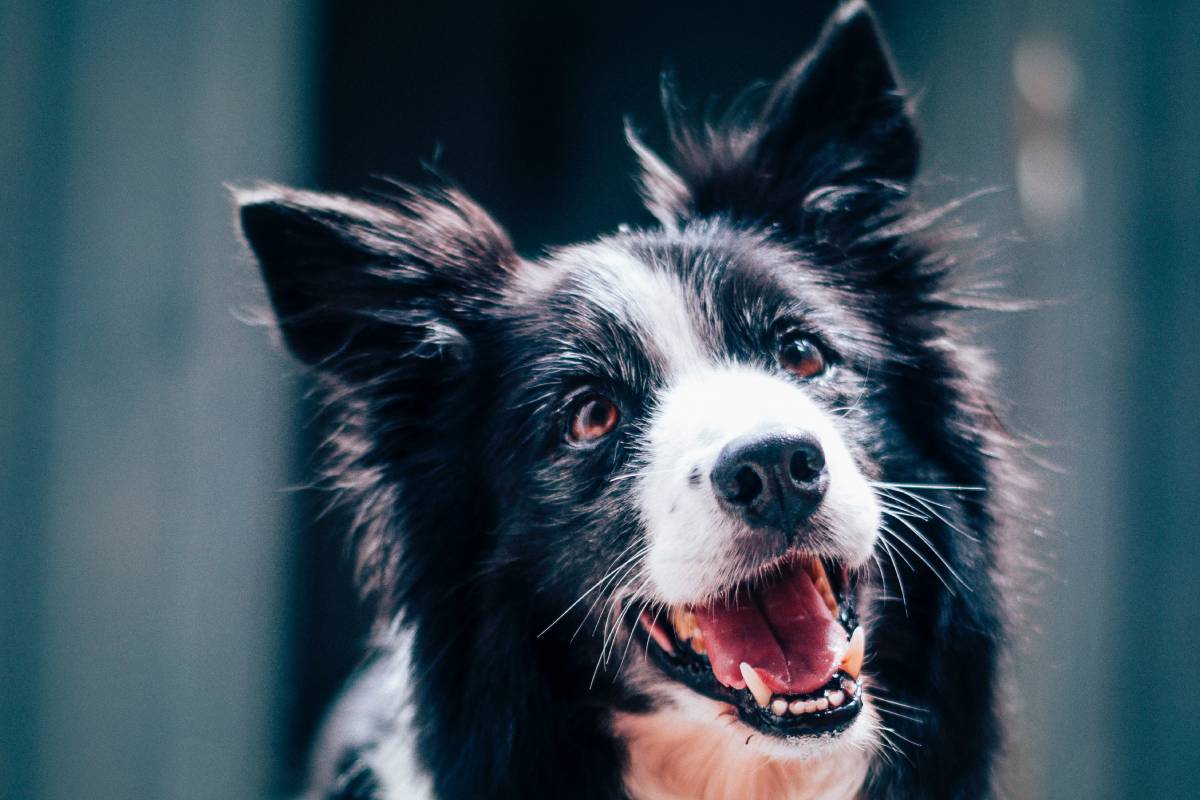
Carry-on and checked: check with the airline. At the checkpoint: pet out, carrier through the X-ray. TSA’s small pets page says small pets are allowed through the checkpoint and that the airline’s policy decides whether they fly in the cabin or the hold. The screening procedure is the same on the page, in TSA’s FAQ and in its 2022 press release: remove the pet from the carrier before screening, put the empty carrier through the X-ray, keep the pet under control on a leash, take the leash off when you carry the pet through the metal detector, and never put a pet in the X-ray tunnel. The carrier gets a visual or physical inspection. Officers may swab your hands after you carry the pet through.
- Cabin pets are governed by airline rules on carrier size, weight, breed, fee and the number of pets per flight. Book the pet when you book the ticket; most airlines cap the count.
- Checked pets and cargo are an airline matter with seasonal temperature embargoes; TSA does not screen the hold.
- Cats and nervous dogs can be screened in a private room on request, which keeps the pet off the floor of a busy checkpoint. Harness the pet before you take it out of the carrier.
- Pet food counts as solid food (dry or moist, in TSA’s words), allowed in both bags; wet food with gravy can be treated as a liquid, so keep it under 3.4 ounces in a carry-on or check it.
- Live fish are allowed in a clear container in carry-on after inspection and not in checked bags.
Strollers and car seats
Carry-on: yes. Checked: yes. TSA’s child car seat page and baby carrier page are a yes for both bags, with the note to confirm with the airline that a carried-on item fits the bin or under the seat. Strollers have no item page; TSA’s traveling-with-children guidance says strollers, umbrella strollers, baby carriers, car and booster seats and backpacks must be screened by X-ray, and that equipment too big for the X-ray belt gets a visual and physical inspection. Fold the stroller, empty its pockets and basket onto the belt, and carry the child through the metal detector.
Past security, strollers and car seats are the friendliest items in air travel. Every major US airline lets you gate-check a stroller and a car seat free, on top of your baggage allowance, and hands them back at the aircraft door on arrival. A car seat can also be used on board in a purchased seat if it carries the FAA approval sticker. Our car seat guide covers the on-board rules in detail.
Inflatable kids beds and footrests
TSA lets it through; the airline decides whether you can use it
Carry-on: yes. Checked: yes. Using it on board: usually not. TSA has no page for inflatable seat extenders, kids’ airplane beds or hammock-style footrests. Its closest entry, an air mattress with a built-in pump, is allowed in carry-on and tells you to check with the airline for size, and a deflated inflatable bed is a folded piece of plastic with no screening issue at all. The real rule is the airline’s, and most US airlines prohibit inflatable leg rests, seat extenders and foot hammocks on board because they block the evacuation path under the seats and interfere with the seat in front. Some allow specific products in a window seat only, on request, and not during taxi, takeoff or landing.
Before buying one, search the airline’s name plus “inflatable footrest” on its own site. The products that are allowed on the most airlines are the ones that fit in the footwell without attaching to the seat in front; anything that hooks onto the tray table is refused nearly everywhere. A pump with a lithium battery follows the battery rule: carry-on.
Nebulizers and CPAP machines
Carry-on: yes. Checked: yes. The device gets its own X-ray, and its liquids are exempt from the 3.4-ounce rule. TSA’s page for nebulizers, CPAPs, BiPAPs and APAPs splits the procedure. At a standard checkpoint the device, mask and tubing may remain in their carrying case for X-ray screening but may be required to be removed from the carry-on; TSA’s FAQ states it more firmly, saying the device must be removed from its case for X-ray while the mask and tubing can stay. In PreCheck lanes the device can stay in its case and in the carry-on. Either way, the liquids that go with a nebulizer (saline, medication) are exempt from the liquids rule; declare them. You can provide a clear plastic bag to put the device through the X-ray if you are worried about the bin.
- Medical devices do not count against your carry-on allowance on US airlines under Department of Transportation disability rules, so a CPAP bag rides in addition to your carry-on and personal item.
- Batteries: a CPAP travel battery is a lithium battery, carry-on only, and the FAA’s device limits apply (100 Wh without approval, 160 Wh with it). Most CPAP batteries sit under 100 Wh; check the label.
- Distilled water for the humidifier is not a nebulizer liquid; it follows the 3.4-ounce rule, so buy it at the destination or carry a travel-size bottle.
- Using a CPAP on board is an airline matter; most allow it with a battery, and some require advance notice.
Neck pillows
Carry-on: yes. Checked: yes. TSA’s pillows page is a plain yes for both bags, and a neck pillow is a pillow. Airlines generally do not count a neck pillow worn around the neck or clipped to a bag as a carry-on item, though a strict budget carrier can count a loose pillow carried in the hand as the personal item. Inflatable neck pillows are the same for TSA; a memory foam one compresses into a stuff sack. Our pillow guide covers full-size pillows and the airlines that count them.
Hats and costume masks
Carry-on: yes. Checked: yes. Wearing one through the checkpoint: usually fine, until an officer asks. TSA has no item page for hats. Its traveling-with-children guidance says children 12 and under can keep shoes, light jackets and headwear on during screening, and adults are routinely asked to remove hats at the body scanner or when the officer needs to compare a face to an ID. Religious head coverings are handled with a separate procedure that allows them to stay on with additional screening. A hat in a bag is nothing more than clothing.
Costume masks are the version with a published rule, from TSA’s Halloween advice: do not wear a mask through security, because passengers wearing masks will be asked to remove them so officers can check ID; masks are fine in a carry-on and can go back on after the checkpoint. Wide-brim hats and large headpieces are a question of space on board, not security, and an airline can ask you to stow one.
More odd items TSA lists
- Handcuffs: yes in both bags.
- Umbrellas: yes, subject to the airline’s size limit for carry-on. Canes and walking sticks: yes, blunt tip only in the cabin.
- Trophies: yes in both bags. Bowling pins: checked only (the bludgeon rule).
- Bows and arrows, darts, swords, martial arts weapons: checked only, sheathed.
- Fireworks, sparklers, firecrackers, party poppers, bang snaps and Christmas crackers: no, in both bags. The FAA says all fireworks, no matter how small, are forbidden.
- Magic 8 Ball: checked only, because of the liquid inside. Harry Potter wand: yes anywhere.
- Rocks, antlers, artificial skeletons and bones, planting seeds: yes in both bags for TSA; agricultural rules apply when crossing a border or leaving Hawaii and Puerto Rico.
- Live lobster: allowed through the checkpoint in a clear, spill-proof container, airline permitting.
Frequently asked questions
Can I bring drumsticks on a plane?
Yes. TSA allows drumsticks in carry-on and checked bags with no conditions. Drums and cymbals are allowed too, subject to the airline’s size rules, and TSA says to pack brass instruments in checked bags.
Can I take a violin as a carry-on?
Yes. TSA allows small instruments in the cabin after a physical inspection, and a federal rule (14 CFR Part 251) requires US airlines to accept a violin or guitar as carry-on at no extra fee if it fits in the bin or under the seat and space is available when you board.
Are glow sticks allowed in a carry-on?
Yes, in the quart bag. TSA treats glow sticks as liquids under the 3-1-1 rule, so each must be 3.4 ounces or less and fit in the single quart-size bag. Any amount is allowed in checked bags.
Can I bring helium balloons on a plane?
TSA has no rule against inflated balloons and allows deflated ones in both bags, but most airlines refuse inflated balloons in the cabin and the hold. Buy helium at your destination. Helium tanks are compressed gas and are not allowed.
Can I bring a lightsaber on a plane?
TSA’s lightsaber page says a toy lightsaber is allowed in carry-on and checked bags, but TSA’s Halloween guidance lists light sabers among props that must be checked. Pack it in a checked bag to avoid the argument; the officer has the final say.
Can I fly with cremated remains?
Yes. TSA allows cremated remains in carry-on, and in checked bags if the airline permits. The container must produce a clear X-ray image, so TSA suggests wood or plastic; officers will never open the container, and an opaque urn cannot be cleared.
How does TSA screen pets?
Take the pet out of its carrier, send the empty carrier through the X-ray, keep the pet leashed, and remove the leash when you carry the pet through the metal detector. Never put a pet in the X-ray. Whether the pet flies in the cabin is the airline’s decision.
Can I bring a stroller through airport security?
Yes. Strollers, car seats and baby carriers are X-rayed at the checkpoint, and equipment too large for the belt is inspected by hand. Most airlines then gate-check strollers and car seats free, in addition to your baggage allowance.
Are inflatable kids beds allowed on planes?
TSA allows them through security, but most US airlines prohibit inflatable seat extenders and footrests on board because they block the evacuation path. Check the airline’s own policy before buying one.
Do I have to take my CPAP out of the bag at security?
At a standard checkpoint the device goes through the X-ray separately (TSA’s FAQ says out of its case; the item page says it may stay in the case but out of the carry-on). In PreCheck it can stay in the bag. Nebulizer liquids are exempt from the 3.4-ounce rule.
Is there a limit on cash you can fly with?
Not from TSA on domestic flights. Keep cash with you, never in a checked bag. Entering or leaving the United States with more than $10,000 in currency must be declared to customs.
Can I bring slime on a plane?
Slime is a gel, so in carry-on each container must be 3.4 ounces or less and fit in the quart bag. Larger tubs go in checked luggage. Play-Doh is a solid and is allowed in both bags with no limit.
Official references: TSA’s What Can I Bring? list (entries for drumsticks, violins, guitar, cymbals, brass instruments, Play-Doh, gel-filled toys, glow sticks, balloons not inflated, stick pins, Christmas lights, plants, flowers, snow globes, light saber, sabers, foam toy sword, toy guns and weapons, realistic replicas, cap guns, BB guns, Harry Potter wand, paintings, glass picture frame, jewelry, cremated remains, small pets, live fish, pet food, child car seat, baby carrier, air mattress with built-in pump, nebulizers and CPAPs, pillows, handcuffs, umbrellas, canes, trophy, bowling pins, bows and arrows, darts, swords, fireworks, sparklers, magic 8 ball, rocks, antlers, planting seeds, live lobster); TSA Cares guidance for traveling with children and disabilities and medical conditions; TSA’s Halloween travel advice of October 27, 2023; 14 CFR Part 251 on musical instruments; the FAA PackSafe fireworks and medical devices pages; and USDA APHIS traveler pages for Hawaii and Puerto Rico. All checked on November 8, 2026. TSA has no entry for playing cards, slime, inflated balloons, badges, Christmas trees, art portfolios, cash, strollers, inflatable beds, hats or drums, and the text above says so where it matters.
This is the last of six guides. The others: Electronics on a Plane, Toiletries and Liquids on a Plane, Food and Drinks on a Plane, Sports and Outdoor Gear on a Plane and Tools and Sharp Objects on a Plane. They all start from What Can You Bring on a Plane? 9 Essential TSA Rules.
Author
Can I bring something else on a plane? Search TSA rules ›