

Reader-supported. We may earn a commission on purchases through our links. Disclosure ›

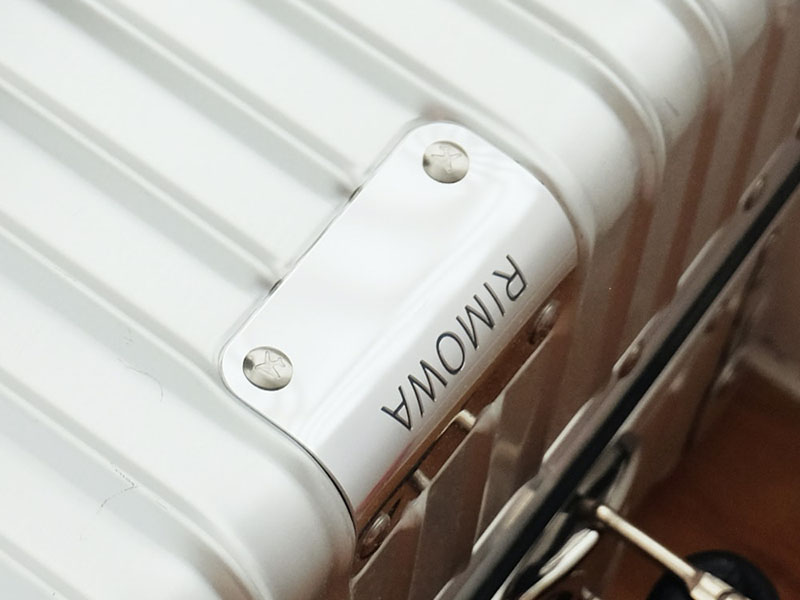
You’ve seen them at the airport. Those silver, ribbed aluminum suitcases that look like they belong in a James Bond movie. Those are Rimowas, and the question every traveler asks the first time they spot one is the same: why is Rimowa luggage so expensive?
Short answer: a combination of premium materials, German manufacturing, a 125-year brand legacy, and a luxury market that’s willing to pay for it. Here’s the longer breakdown of what you actually get for the price tag, and whether it’s worth the money compared to other premium brands.
A Quick History of Rimowa
Rimowa was founded in 1898 by Paul Morszeck and Heinrich Görtz in Cologne, Germany. After Görtz left, Morszeck took full control and built the company around durable wooden luggage.
The brand pivoted to aluminum in 1937 after a factory fire destroyed everything except some metal parts. Richard Morszeck, Paul’s son, used the surviving aluminum to build the first metal suitcase, and that move shaped Rimowa for the next 80 years. The grooved aluminum design (now iconic) was inspired by Junkers airplanes from that era.
In 1950, the brand officially became RIMOWA, an acronym pulled from RIchard MOrszeck WArenzeichen (“trademark” in German).
Today, Rimowa is owned by LVMH, the same luxury conglomerate behind Louis Vuitton, Dior, and Tag Heuer. That ownership matters: it positions Rimowa firmly in the luxury category, not the practical-luggage category. The pricing reflects that.
Where Rimowa Is Manufactured
Rimowa makes its aluminum cases in Germany and Czech Republic, and its polycarbonate cases in Europe and Canada. The brand owns its factories outright and doesn’t outsource to Asia, which is unusual for the luggage industry.
In a 2018 statement responding to Chinese knockoffs, Rimowa CEO Alexandre Arnault said: “Rimowa takes great pride in its manufacturing heritage and expertise. All of our aluminum luggage is made in Germany, and our polycarbonate luggage is manufactured in Europe and Canada.”
That manufacturing model is a real cost driver. German labor and quality control aren’t cheap, and Rimowa builds that cost into every bag.
Read Next: Away vs Rimowa: Which One Makes More Durable Luggage?
Why Rimowa Luggage Is So Expensive
The price tag breaks down into five real factors:
1. The Brand Itself
Rimowa has been around since 1898. That’s 125+ years of brand equity, and the LVMH acquisition in 2016 added another layer of luxury positioning. You’re paying for the badge as much as the suitcase, and that’s not a criticism, just reality. Walk through any first-class lounge and you’ll see Rimowas everywhere.
2. Premium Materials
Rimowa’s [amazon link=”B07LG55S8W” title=”Rimowa Topas”] uses an aluminum-magnesium alloy that’s notably more durable than the aluminum used by competitors. The polycarbonate models use proprietary high-density polycarbonate that resists impact better than the standard stuff used in cheaper hardside bags.
Both lines come with rubber gaskets that make them weather-resistant. Most other premium hardside cases don’t bother with this.
3. Engineering Details
Rimowa’s hinges, latches, and wheels are built to last decades. Some specific design choices that add cost:
- Hinged opening (instead of zipper) on the aluminum line eliminates the most common luggage failure point
- 360-degree double spinner wheels with sealed bearings
- Telescopic handles with multiple stop points and reinforced internal frame
- Flex-divider packing system inside
- TSA-approved combination locks integrated into the body
- Replaceable parts (you can buy a new wheel or handle directly from Rimowa)
4. Lifetime Warranty
Rimowa now offers a lifetime guarantee on all suitcases purchased after July 25, 2022. The warranty covers functional defects for the life of the bag, not just a few years.
For bags bought before that date, the warranty was 5 years (with online registration) or 2 years (without). Worth knowing if you’re buying secondhand.
5. Iconic Design
The grooved aluminum look is so distinctive it’s basically copyrighted at this point. You can spot a Rimowa from across an airport. That’s worth something to certain buyers.
Shop now: [amazon link=”B07VN6JCSJ” title=”Rimowa Original Lufthansa Edition Check-In L”]
How Rimowa Compares to Other Premium Luggage Brands
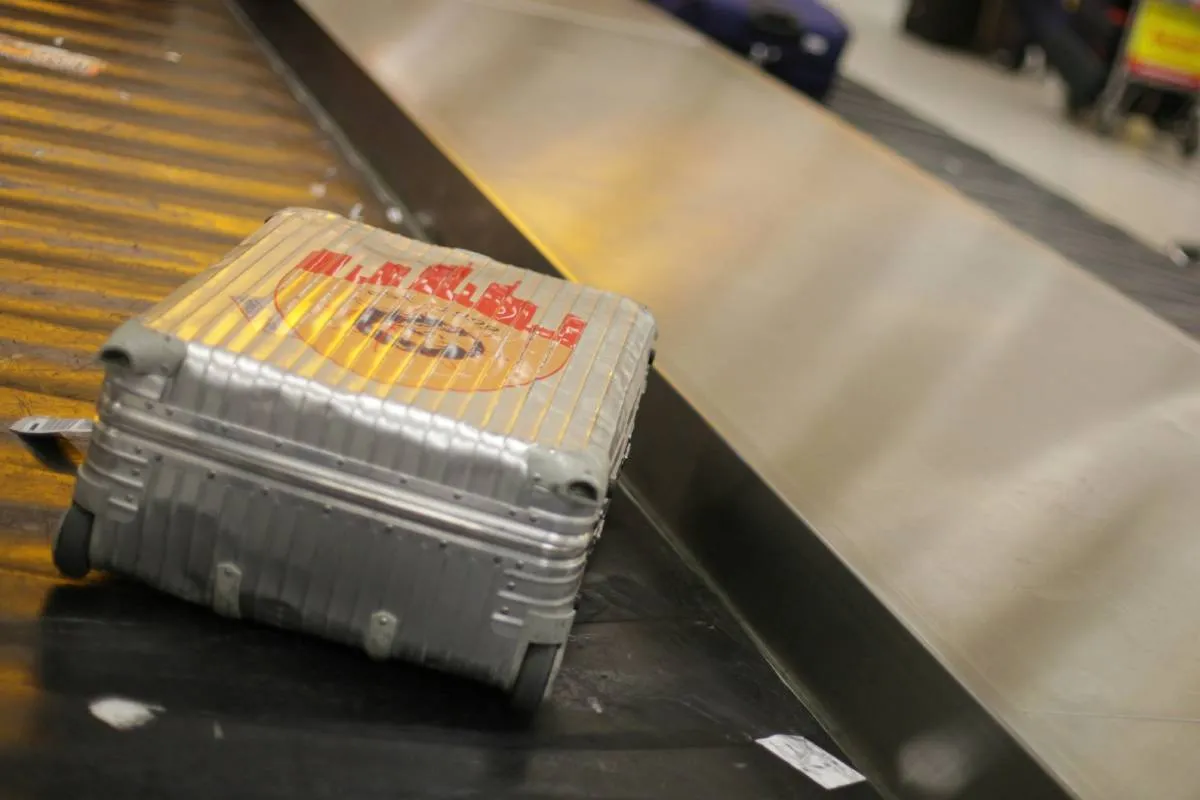
Rimowa isn’t the only premium luggage brand on the market. Here’s how it stacks up against the four most common comparison points.
Rimowa vs Samsonite
This is the price-vs-prestige comparison. Samsonite makes both softside and hardside luggage in a much wider range of materials and price points, from $80 starter cases to $700 premium ones.
Samsonite is significantly lighter than Rimowa across the board. Even Samsonite’s hardside cases come in lighter than Rimowa’s polycarbonate models. Rimowa builds for durability, not weight savings.
Both brands offer TSA locks, spinner wheels, and multi-compartment packing. Rimowa wins on durability, design, and prestige. Samsonite wins on price, weight, and selection.
If you fly more than 50 times a year and treat luggage rough, Rimowa pays back over time. If you fly a few times a year, Samsonite is the smarter buy.
Shop now: [amazon link=”B072Q4F6JG” title=”Samsonite Winfield 2 carry-on on Amazon”]
Rimowa vs Tumi
This is the closest comparison. Both are premium, both are brand-conscious, both attract similar buyers.
The differences are mostly aesthetic and material. Rimowa makes only hardside in polycarbonate or aluminum. Tumi makes both hardside and softside, using FXT ballistic nylon and leather for soft cases and Tegris or aluminum for hard. Tumi also makes way more bag types beyond suitcases (briefcases, backpacks, duffels, totes).
Pricing is similar. Both have entry models around $400-500 and premium models north of $1,000.
If you want a single look across an entire travel kit (suitcase, backpack, briefcase), Tumi is the easier brand to commit to. If you want only a hardside suitcase and you love the aluminum aesthetic, Rimowa is the play.
Shop now: [amazon link=”B07PFR2N99″ title=”TUMI – Alpha Continental Dual Access”]
Rimowa vs Briggs & Riley
This is the warranty comparison. Briggs & Riley has the most generous warranty in the entire luggage industry: unconditional lifetime, no proof of purchase required, even if the airline destroys it. They’ll repair it free.
Rimowa’s lifetime warranty (post-2022) is solid but conditional, covering functional defects only. Cosmetic damage and abuse aren’t included.
On price, Briggs & Riley sits at $300-700, well below Rimowa’s $500-$1,500+ range. The cases are less flashy and more functional. Less of a status symbol, more of a workhorse.
For frequent business travelers who care more about reliability than aesthetics, Briggs & Riley is often the better value.
Shop now: [amazon link=”B09Y2D4GZ7″ title=”Briggs & Riley Baseline 31 inch”]
Rimowa vs Travelpro
This is the practicality comparison. Travelpro is the brand most actually flown by airline crews. Their cases are durable, lightweight, and run $150-$300 for the high-end Platinum Elite line.
Rimowa is in a different category entirely. You can buy 4-5 Travelpro cases for the price of one Rimowa aluminum.
Travelpro also offers either a limited lifetime warranty or “worry-free” lifetime warranty depending on the line, which competes well with Rimowa’s lifetime guarantee.
If you want the best functional luggage for the money, Travelpro is the answer. If you want the prestige bag, Rimowa.
Shop now: [amazon link=”B07DL64SYP” title=”Travelpro Platinum Elite softside carry-on on Amazon”]
Are Rimowa Suitcases Worth the Money?
Honest take: it depends on what you’re optimizing for.
Rimowa is worth it if:
- You fly 50+ times a year and your luggage gets real abuse
- You value design and aesthetics highly and use the bag as a personal statement
- You can comfortably absorb a $1,000+ purchase without it pinching
- You plan to keep the bag for a decade or more
- You like the lifetime warranty and direct repair service
Rimowa is not worth it if:
- You only fly a handful of times a year
- You’re price-sensitive and want maximum function per dollar
- You don’t care about luxury branding
- You travel light and care about weight (Rimowa runs heavy)
- You’d rather upgrade your travel experience in other ways (better hotels, lounge access, business class)
For most travelers, the answer is no. Brands with lifetime warranties like Briggs & Riley or Travelpro deliver 90% of the durability at 25% of the price.
For a small subset of travelers (frequent flyers who want the best and don’t mind paying for it), Rimowa earns its price tag.
Final Take on Rimowa Pricing
Rimowa is expensive because it’s built like a luxury good: premium materials, German manufacturing, lifetime warranty, iconic design, and 125 years of brand equity owned by the world’s largest luxury conglomerate. None of that is fake, and the bags do hold up over decades.
But “expensive” doesn’t automatically mean “worth it.” For most travelers, a $300 Travelpro or Briggs & Riley delivers nearly identical durability without the luxury markup. Rimowa makes sense when you specifically want the look, the brand, or both.
Buy it because you want a Rimowa. Don’t buy it because you think you “need” $1,500 luggage to travel well. You don’t.