

Reader-supported. We may earn a commission on purchases through our links. Disclosure ›
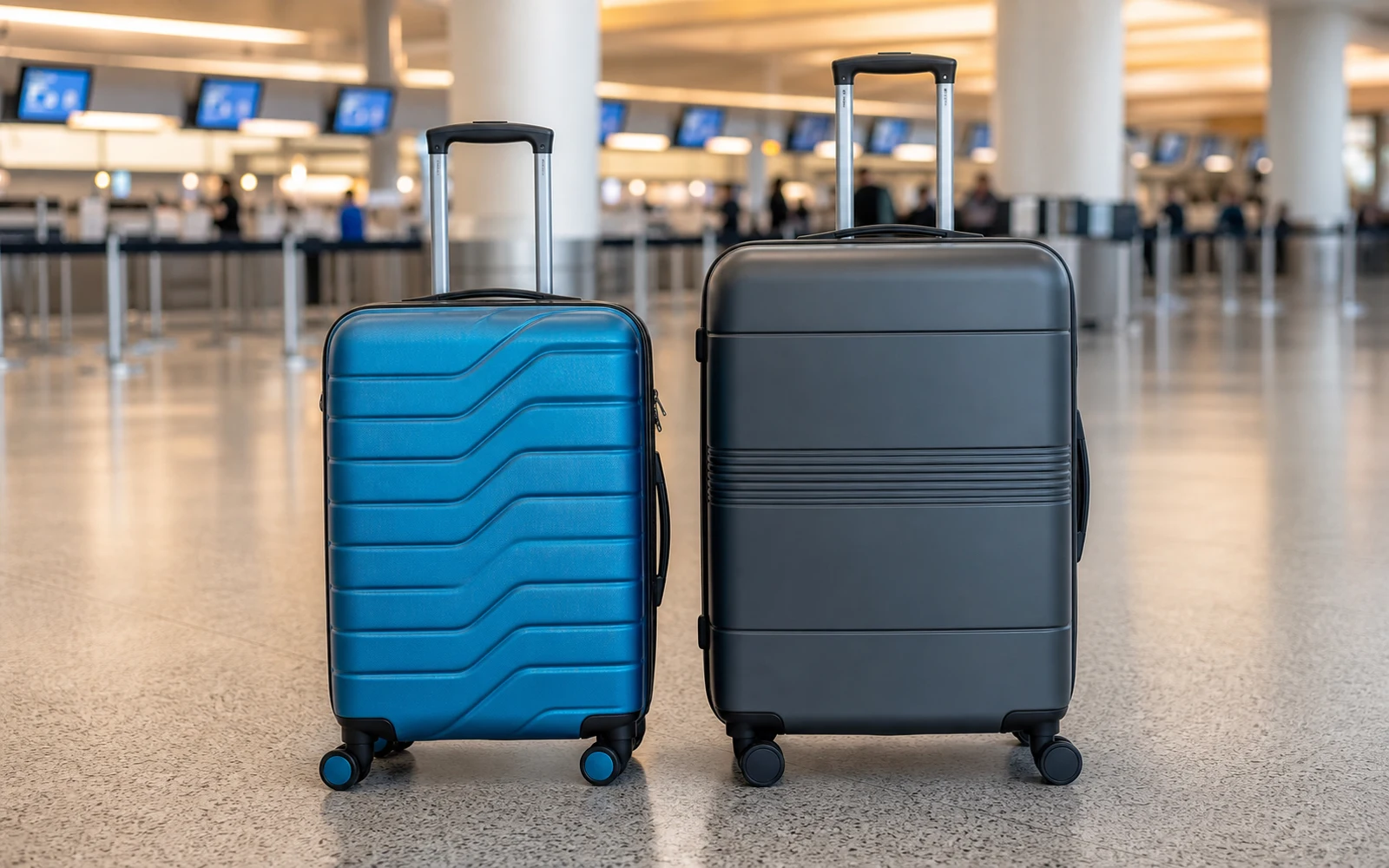
The most durable luggage brands in 2026 are Pelican, Briggs & Riley, Rimowa, Tumi, Thule, Away, Osprey, Travelpro, Eagle Creek, Samsonite, and Delsey Paris. They are not interchangeable: Pelican is best for maximum protection, Briggs & Riley for long-term ownership, Travelpro for frequent-flyer value, and Samsonite for mainstream affordability.
We ranked these brands by the durability of their better luggage lines, including wheel and handle construction, shell or fabric quality, zipper or latch design, repair support, and how well each brand fits real travel. A high ranking does not mean every suitcase from that brand is equally strong.
The 11 Most Durable Luggage Brands at a Glance
| Rank and brand | Best for | Details |
|---|---|---|
| 1. Pelican | Maximum protection for valuable gear | Why we recommend it |
| 2. Briggs & Riley | Frequent travelers who want long-term repair support | Why we recommend it |
| 3. Rimowa | Premium hardside and aluminum luggage | Why we recommend it |
| 4. Tumi | Premium business travel | Why we recommend it |
| 5. Thule | Durable modern softside luggage | Why we recommend it |
| 6. Away | Simple hardside luggage with accessible support | Why we recommend it |
| 7. Osprey | Adventure travel and rough surfaces | Why we recommend it |
| 8. Travelpro | Best durability-to-price balance for frequent flyers | Why we recommend it |
| 9. Eagle Creek | Rugged travel with practical organization | Why we recommend it |
| 10. Samsonite | Mainstream hardside value | Why we recommend it |
| 11. Delsey Paris | Stylish polycarbonate luggage at mid-range prices | Why we recommend it |
Why These Durable Luggage Brands Made the List
1. Pelican
Pelican makes protective cases rather than conventional fashion luggage. Its Air travel cases use a rigid, sealed construction with latches instead of a normal zipper, making them unusually resistant to crushing, water, dust, and rough baggage handling.
Main drawback: These cases are heavier, less clothing-friendly, and more industrial-looking than normal suitcases.
2. Briggs & Riley
Briggs & Riley is one of the strongest conventional luggage brands. The Baseline line combines durable ballistic nylon, reinforced high-wear areas, quality hardware, and an expansion system that compresses back down after packing.
Main drawback: The high price and relatively heavy construction are difficult to justify for occasional travelers.
3. Rimowa
Rimowa is best known for grooved aluminum luggage, although it also makes polycarbonate cases. The aluminum models can dent and scratch, but the shell, frame, corners, handles, and wheel assemblies are built for years of use and can often be serviced.
Main drawback: It is extremely expensive, and aluminum is heavier than a comparable polycarbonate suitcase.
4. Tumi
Tumi focuses on premium business luggage with dense ballistic nylon, reinforced handles, strong zippers, refined wheels, and highly organized interiors. Its softside bags generally tolerate repeated travel better than thin polyester luggage.
Main drawback: Tumi bags are expensive and often heavier than competing carry-ons with similar capacity.
5. Thule
Thule applies its outdoor-gear design approach to travel bags. The Subterra 2 spinner uses high-denier fabric, YKK zippers, a molded polycarbonate back panel, and a structured frame that helps the bag absorb normal travel impacts.
Main drawback: The structured build adds weight, and the product range is smaller than Samsonite or Travelpro.
6. Away
Away uses polycarbonate shells, straightforward interiors, and replaceable components in a simple direct-to-consumer design. It is not indestructible, but the shell and wheel system are a meaningful step above many low-cost marketplace brands.
Main drawback: The larger carry-on can exceed stricter airline limits, and the value is less compelling than it was when Away first launched.
7. Osprey
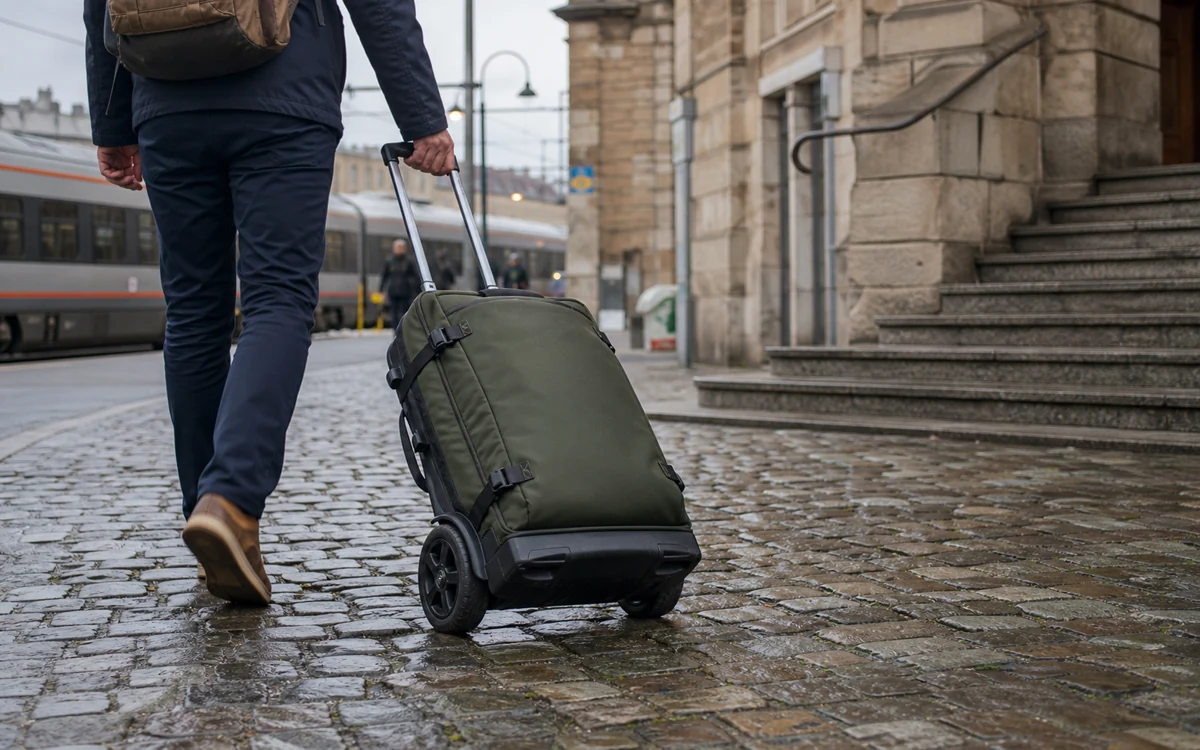
Osprey builds luggage for travelers who move beyond smooth airport floors. The Transporter uses highly water-resistant fabric, a raised HighRoad chassis, and oversized wheels that handle cobblestones, gravel, curbs, and uneven sidewalks better than small spinner wheels.
Main drawback: Two-wheel adventure luggage is less effortless in tight airport lines than a four-wheel spinner.
8. Travelpro
Travelpro has strong roots in airline crew luggage and remains one of the easiest brands to recommend for practical durability. Platinum Elite bags use robust fabrics, quality zippers, stable handles, and wheel systems designed for frequent rolling.
Main drawback: The styling is conservative, and some models are heavier or larger than strict international carry-on limits.
9. Eagle Creek
Eagle Creek combines outdoor-oriented fabrics with conventional suitcase layouts. The Expanse line uses reinforced wheel housings, lockable self-repairing zippers, recycled fabric, and expansion for travelers who need a bag that can move between airports and less polished destinations.
Main drawback: Availability can be less consistent than larger luggage brands, and the bags are not especially lightweight.
10. Samsonite
Samsonite offers a very broad range, so durability varies by collection. Its better polypropylene and polycarbonate lines provide resilient shells, widely available replacement options, and a useful balance of weight, price, and everyday toughness.
Main drawback: Buy by model rather than brand name alone because entry-level Samsonite collections use less robust parts.
11. Delsey Paris
Delsey is strongest in hardside luggage and offers several well-built polycarbonate collections. The Chatelet Air 2.0 pairs a resilient shell with protected corners, dual-spinner wheels, and a more refined interior than most bags in its price range.
Main drawback: Some collections prioritize appearance over low weight, and dimensions vary significantly between models.
How Clever Journey Ranked These Brands
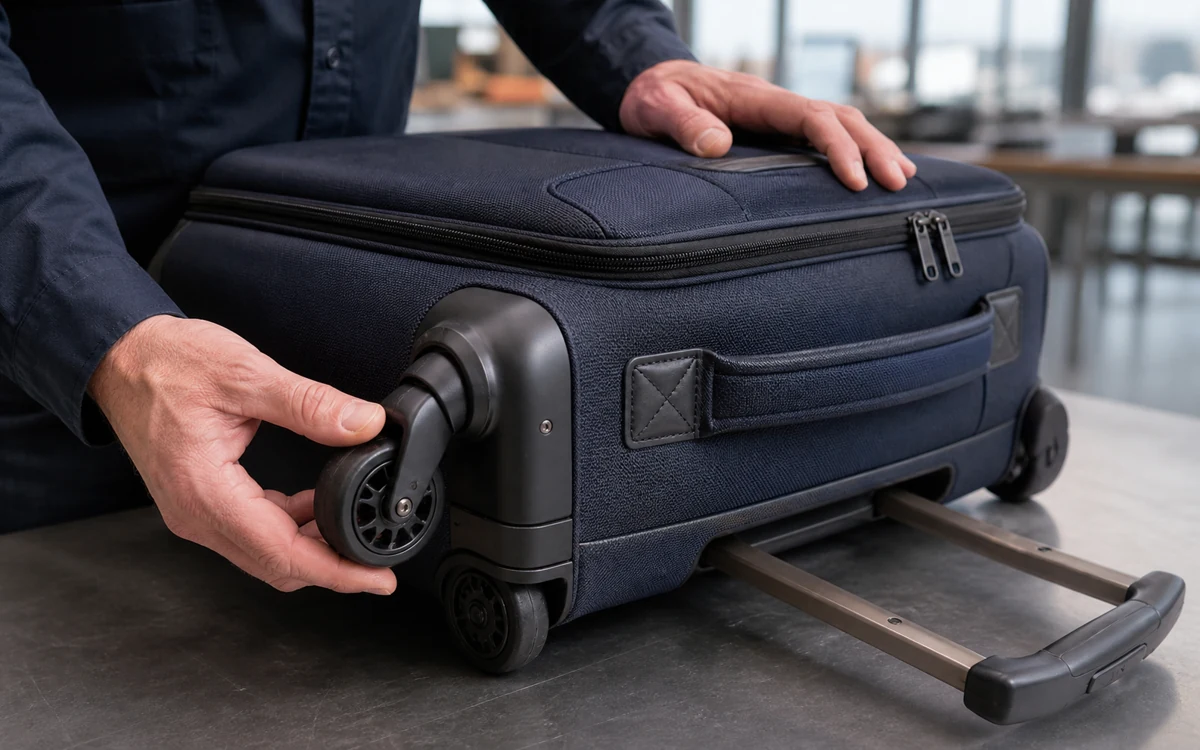
Durability is more than shell material. We gave the most weight to the failure points that shorten a suitcase’s life: wheels, telescoping handles, carry handles, zippers or latches, corners, seams, and repairability.
- Construction: Thick, appropriate materials and reinforcement at high-stress points.
- Rolling hardware: Wheels and housings that tolerate distance, curbs, and rough surfaces.
- Handle quality: Limited wobble, solid mounting, and comfortable lifting handles.
- Closures: Quality zippers or dependable latches that do not become the weak point.
- Repair support: A useful warranty, available service, or replaceable components.
- Value: Whether the extra durability reasonably matches the price and intended traveler.
How to Choose Durable Luggage Without Overbuying
Start with trip frequency and terrain. Two vacations per year do not require the same bag as weekly consulting travel, and smooth airport-to-hotel trips do not require the same wheels as cobblestones, trains, and outdoor transfers.
Best practical choices: Choose Travelpro for frequent-flyer value, Samsonite for affordable hardside luggage, Briggs & Riley for premium repair support, Osprey for rough-ground travel, or Pelican when protecting valuable equipment is the main goal.
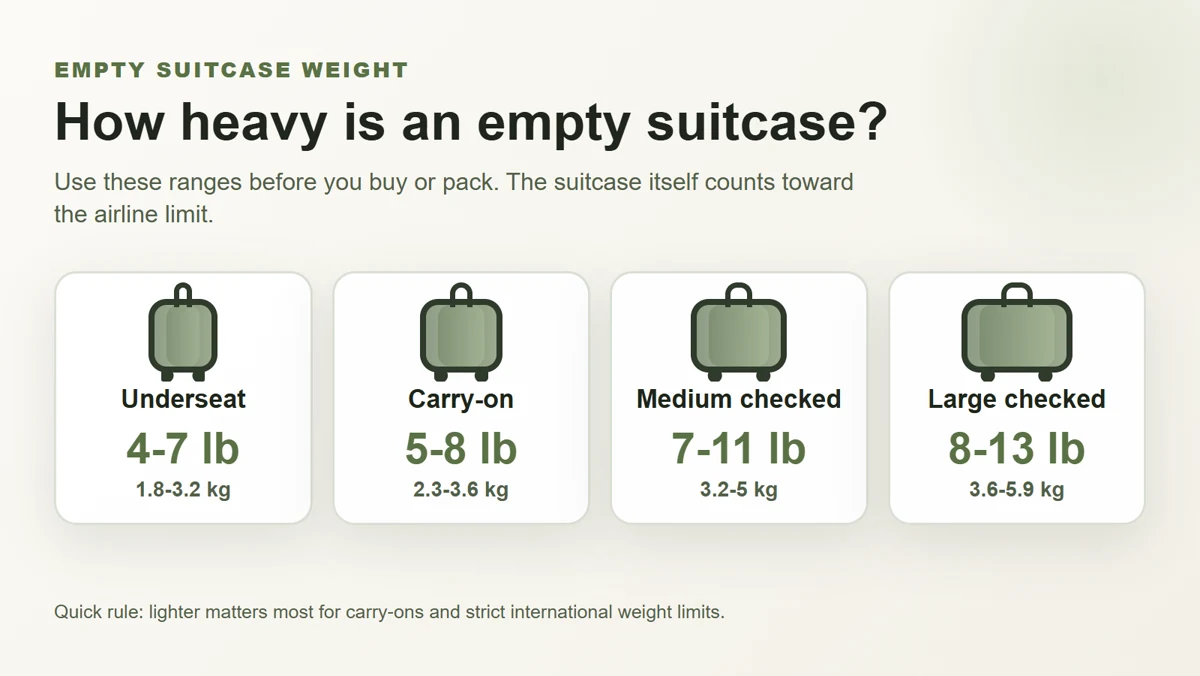
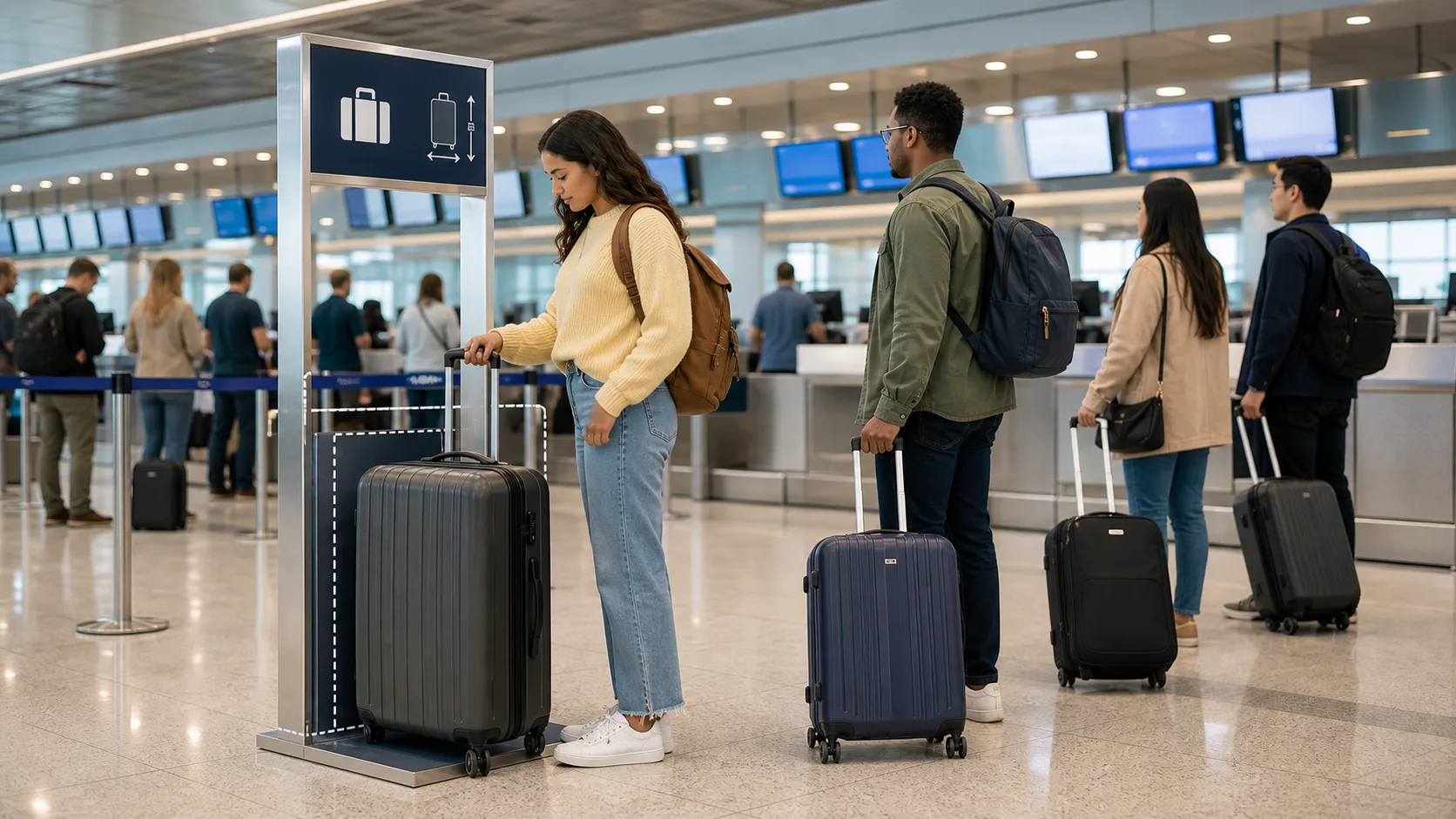
For checked luggage, prioritize reinforced corners, wheel housings, and a shell or frame that can absorb impacts. For carry-ons, balance durability with empty weight and exact airline dimensions. A bag that lasts forever but regularly fails the sizer is still the wrong purchase.
Frequently Asked Questions
What luggage brand is the most durable?
Pelican offers the highest physical protection for sensitive gear, while Briggs & Riley is the strongest all-around conventional luggage brand for frequent travelers. Travelpro offers the best durability-to-price balance for most people.
Which durable luggage brand is best for frequent flyers?
Travelpro is the easiest recommendation for most frequent flyers because its wheels, handles, fabrics, and layouts are designed around regular use without luxury pricing. Briggs & Riley is the premium alternative.
Is hardside or softside luggage more durable?
Neither construction wins in every situation. Quality softside luggage handles scuffs and flexing well, while quality hardside luggage resists crushing and moisture. Wheels, handles, zippers, corners, and repair support usually matter more than shell type alone.
Which luggage lasts the longest when checked?
Pelican cases provide exceptional protection for equipment. For ordinary clothes, choose a well-built checked bag from Briggs & Riley, Travelpro, Samsonite, Tumi, or Delsey with reinforced corners and strong wheel housings.
Are expensive luggage brands always more durable?
No. Premium brands may use better materials and provide stronger repair support, but price also pays for styling and branding. A mid-range Travelpro or Samsonite can be a better practical purchase than a luxury bag for many travelers.
What parts should I inspect before buying durable luggage?
Focus on wheel size and attachment points, handle wobble, zipper or latch quality, corner reinforcement, shell or fabric thickness, empty weight, warranty exclusions, and whether replacement parts or repairs are realistically available.
Bottom line: Briggs & Riley is the strongest conventional long-term choice, Travelpro is the best value for most frequent flyers, and Pelican is the specialist pick when maximum physical protection matters most.